Planning a trip to Vietnam, a land of breathtaking beauty and vibrant culture, can be an exciting prospect. But for travelers with disabilities, ensuring a smooth and enjoyable experience requires meticulous planning. This comprehensive guide, How to Plan a Trip to Vietnam for Travelers with Disabilities, addresses the unique challenges and opportunities presented by this Southeast Asian gem, empowering you to craft an unforgettable and accessible adventure. We’ll delve into practical strategies, explore logistical considerations, and equip you with the knowledge to navigate Vietnam’s diverse landscape with confidence and ease. This detailed guide will offer insights into navigating transportation, accommodation, attractions, and communication, focusing on the specific needs of travelers with disabilities.
Table of Contents
Accessible Vietnam: A Comprehensive Trip Planning Guide for Travelers with Disabilities
Before embarking on your Vietnamese adventure, thorough preparation is paramount for a successful and enjoyable trip tailored to your specific needs. This section lays the groundwork, focusing on research, pre-trip preparations, and cultural understanding crucial for a seamless journey.
Accessibility Research: The Cornerstone of Your Planning
Thorough research is the cornerstone of planning an accessible trip. This isn’t just about finding wheelchair-accessible hotels; it’s about understanding the entire travel ecosystem’s accessibility, from transportation and attractions to healthcare services. Start by focusing on your specific needs. If you’re a wheelchair user, prioritize finding information about the availability of ramps, elevators, and accessible restrooms in the places you plan to visit. If you have a visual impairment, investigate options for audio guides and tactile experiences. If you have a hearing impairment, look for venues with assistive listening devices or sign language interpreters.
Websites dedicated to accessible travel are invaluable. Search for blogs and forums dedicated to accessible travel in Vietnam. You’ll find first-hand accounts from individuals with disabilities who have already navigated the country, sharing their experiences, tips, and recommendations. Reading these firsthand accounts can drastically improve your understanding of what to expect and how to prepare effectively. Remember to verify the information you find online with official sources when possible, as accessibility standards may change.
Don’t hesitate to contact hotels, tour operators, and attractions directly. Many will be happy to provide additional details or answer specific questions about accessibility. Even if a website doesn’t explicitly mention accessibility features, a direct enquiry may reveal pleasant surprises. Asking specific questions about the width of doorways, the presence of grab bars in bathrooms, and the availability of ramps can make all the difference.
Cultural Sensitivity and Respectful Interactions
Understanding Vietnamese customs is essential for a positive experience. While Vietnam is generally welcoming, awareness of cultural nuances helps to avoid unintentionally causing offense or misunderstandings. Respectful communication and appropriate attire are crucial. Many religious sites have specific dress codes; modest clothing that covers shoulders and knees is generally advisable.
Bargaining is prevalent in markets but should be conducted politely and respectfully. Avoid overly aggressive haggling, which can be perceived as rude. Remember that patience is key, especially when explaining your access needs. While awareness of disability is improving, it’s not as widespread as in some Western countries. Prepare for occasional stares or curious questions; it’s often rooted in genuine interest rather than malice. Be patient and explain your needs clearly, using gestures if necessary. A simple, friendly approach can often disarm any initial hesitation or discomfort.
Essential Documentation and Preparations
Ensure your passport is valid for at least six months beyond your anticipated departure date. Check visa requirements well in advance, as processing times can vary. Obtain comprehensive travel insurance that covers medical emergencies, evacuation, and trip cancellations. Specifically, check for coverage of pre-existing medical conditions and any assistive devices you’ll be travelling with.
Take a generous supply of any necessary medication; carry copies of prescriptions in English and Vietnamese and clearly label all medication containers. Arrange to have your prescriptions translated into Vietnamese, this can be extremely helpful in case of loss or unforeseen medical situation. Consider also taking copies of your travel insurance information and passport information, store them separately from the originals.
For individuals using mobility aids, ensure these are in top working condition. A lightweight, foldable wheelchair can be incredibly helpful for navigating narrow streets and crowded areas. Pack essential repair tools and any spare parts in your luggage. A robust and adaptable mobility apparatus will greatly affect your experience and independence. Your assistive devices are essential; ensure they are prepared for the trip and take steps to protect them.
Navigating Vietnam with a Disability: Key Considerations and Pre-Trip Planning

Successfully navigating Vietnam with a disability requires advance planning and strategic thinking. This section delves into the specifics of formulating a practical pre-trip plan, addressing potential challenges and opportunities related to transportation, accommodations, and attractions.
Transportation: Choosing the Right Mode of Travel
Transportation choices significantly impact the accessibility of your trip. Air travel, while generally accessible, requires careful coordination. Inform airlines well in advance of your needs, confirming wheelchair assistance at airports and in-flight accommodations. Domestic flights are often the most practical mode of transport for long distances, offering speed and comfort.
Train travel in Vietnam varies in accessibility. While modern high-speed trains often have designated wheelchair spaces, older lines may lack such accommodations. Carefully research the specific route and train schedule beforehand. Bus travel can be less accessible; the condition of buses and boarding procedures differ greatly depending on the area and route of travel. Independent travel by bus might not be suitable depending on your individual circumstances.
Internal travel often involves navigating smaller routes and more locally sourced transport. Exploring local transport options should be done with caution and thorough research, especially if you’re not traveling in a pre-arranged group with a driver or guide. Taxis, while widely available, are not always equipped for wheelchair access. Consider ride-sharing apps that may offer more accessible options.
Accommodation: Finding Accessible and Comfortable Lodging
Choosing accessible accommodation in Vietnam demands careful consideration. While large international hotel chains often boast accessibility features, smaller guesthouses or homestays may not have these provisions. Look for hotels that explicitly mention their accessibility features such as ramps, elevators, adapted bathrooms (grab bars, roll-in showers), and accessible room layouts.
Check online reviews from other travelers with disabilities, paying close attention to their comments about accessibility. Don’t solely rely on hotel descriptions; contact them directly to verify accessibility details, request photos of the rooms, and confirm the dimensions of doorways, bathrooms, and passageways.
Consider the location of the hotel in relation to your chosen attractions and transportation links. A hotel that is otherwise accessible might be rendered so by its location; if it’s far away from convenient transit, the accessibility of the hotel itself may become irrelevant.
Itinerary Planning: Crafting an Inclusive Route
Designing an accessible itinerary is crucial. Prioritize realistic goals, avoiding over-scheduling. Allow ample time for travel and potential delays, factoring in the additional time required for navigating accessible routes. Don’t overpack your itinerary; give yourself some flexibility and allow for rest times.
Choose destinations and activities that cater to your mobility and sensory needs. Large tourist attractions often have better accessibility infrastructure than smaller, lesser-known sites. Research the accessibility of specific attractions, searching for information about ramps, elevators, accessible restrooms, and alternative routes where necessary. Don’t hesitate to contact destinations ahead of time to inquire or confirm their accessibility features.
Vietnam’s Accessibility Landscape: Understanding the Challenges and Opportunities

Vietnam’s accessibility landscape is a blend of modern development and traditional infrastructure. This understanding shapes your travel planning, highlighting both the challenges and exciting opportunities available.
Existing Infrastructure and Accessibility Gaps
While Vietnam is actively improving accessibility, it still faces significant challenges. Older infrastructure often presents obstacles for people with disabilities. Narrow streets, uneven pavements, and a lack of curb cuts are common in many cities and towns. Public transportation varies widely in accessibility, with newer services often offering better accommodations than older lines.
Many historical sites and traditional buildings may lack ramps, elevators, or accessible restrooms. However, there’s a growing awareness of the need for accessible tourism. Government and private initiatives are working to improve infrastructure and enhance accessibility at tourist attractions and transportation services.
Growing Awareness and Initiatives
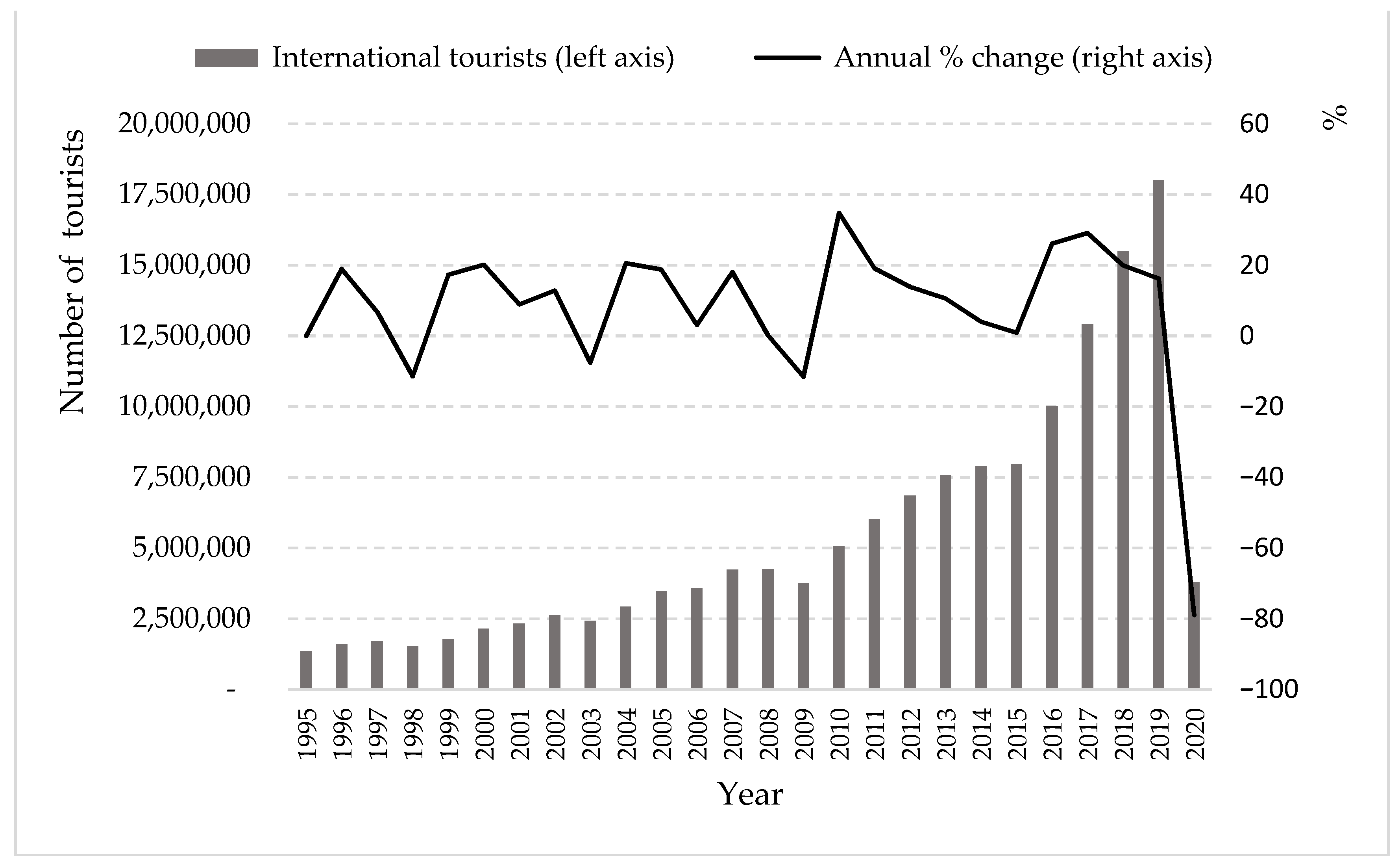
Vietnam’s tourism sector is steadily expanding, and there’s a growing recognition of the importance of inclusive tourism. Several organizations are working to promote accessibility and encourage businesses to adopt inclusive practices. This includes providing accessible accommodation, transportation, and services. This trend contributes to providing more inclusive experiences for travelers with disabilities.
The Role of Local Communities and Guides
Engaging with local communities and hiring local guides can enhance your experience. Local guides can offer invaluable insights into the local culture and provide assistance navigating challenging areas. They can often offer a more personalized and tailored experience, adapting your itinerary as needed. The support and insight of a local guide can create a much safer and enriched cultural experience for travellers with disabilities.
Crafting an Inclusive Itinerary: Accessible Destinations and Activities in Vietnam
Choosing destinations and activities that suit your needs is crucial for a successful trip. This section examines specific cities and attractions, offering insights into their accessibility level and suggesting tailored experiences.
Accessible Cities: Hanoi, Hoi An, and Beyond
Hanoi, Vietnam’s capital, offers a mix of modern and traditional architecture. While navigating the Old Quarter’s narrow streets can be challenging, many newer hotels in the city centre provide excellent accessibility. Hoi An, a charming ancient town, is generally more pedestrian-friendly, though some areas may require some effort to navigate. These locations offer a balance of cultural experiences and accessibility accommodations.
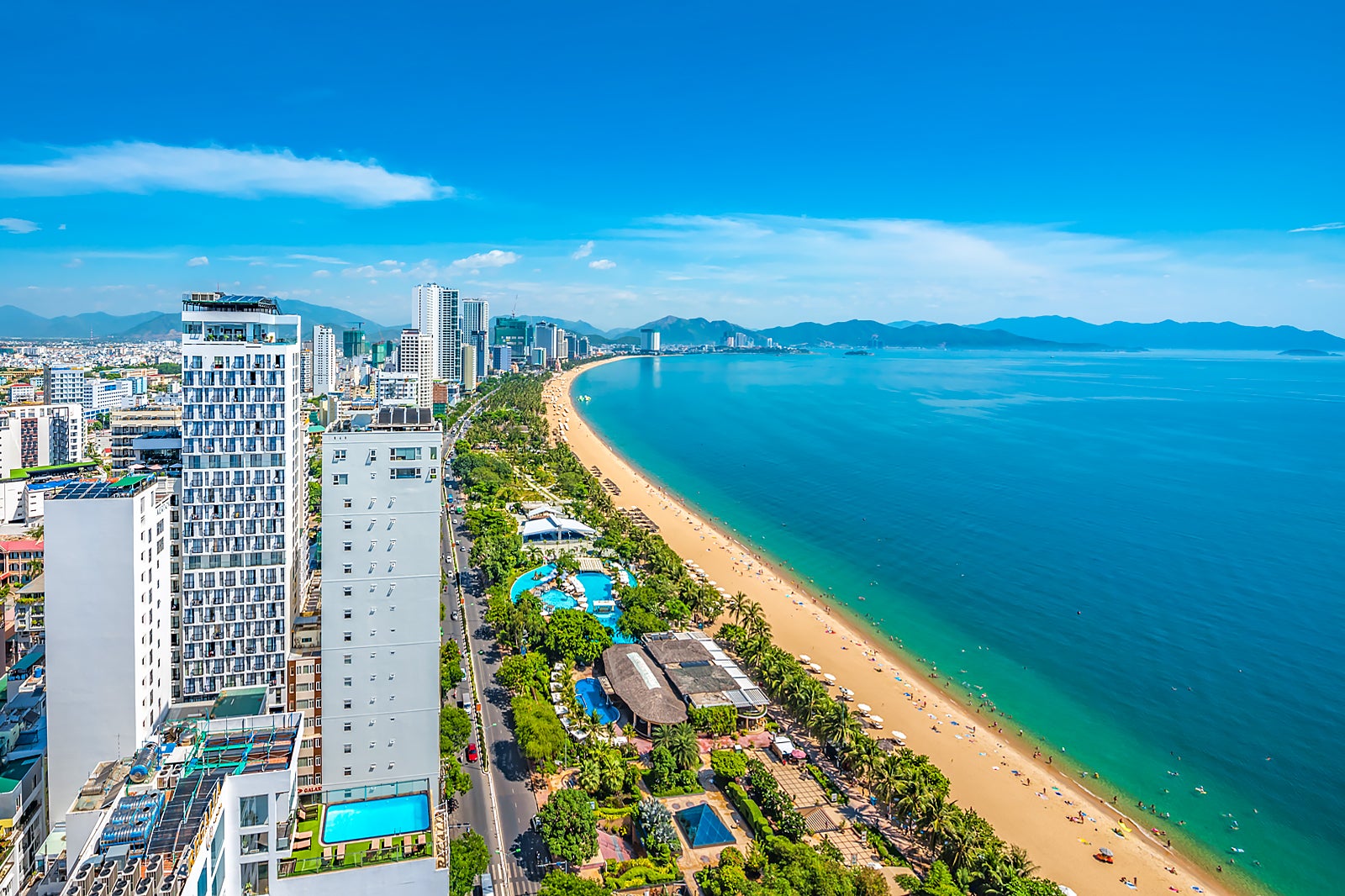
Other cities such as Da Nang and Nha Trang, are becoming increasingly more accessible, with newer developments prioritizing accessible design and infrastructure. However, always research your choice of hotel and attractions within the chosen city to ensure their suitabilities. Smaller towns and rural areas generally have less developed accessibility infrastructure in comparison and some serious thought should be put into your choices here.
Accessible Attractions: Museums, Temples, and Natural Wonders
Museums and historical sites present accessibility challenges in Vietnam; some larger museums offer more amenities such as ramps and lifts but others may not. Research before your visit as some older buildings may lack elevators and other accessibility features.
Nature-based activities such as boat trips and visits to national parks can be more inclusive, depending on the specific location and tour operator. Consider choosing tour operators that specialize in accessible tourism. Such operators will be able to arrange more tailored and accessible experiences for you. Many of these tours offer alternative options and modes of transport that are more accomodating for travellers with disabilities.
Adapting Activities to Your Needs
Planning activities requires careful consideration of your limitations and preferences. If mobility is a concern, opt for activities that don’t involve extensive walking or strenuous physical exertion. Choose slower-paced itineraries that allow for rest periods and adjust your plans as needed. This may involve using alternative transportation such as taxis or private cars to reach locations.
Transportation Options for Travelers with Disabilities in Vietnam: A Practical Guide
Navigating Vietnam’s transportation system with a disability requires careful consideration and pre-planning. This section provides a practical overview of various transportation options, outlining their accessibility features and potential challenges.
Air Travel: Domestic and International Flights
Air travel in Vietnam is generally well-equipped for passengers with disabilities. Major airlines comply with international accessibility standards, providing wheelchair assistance at airports and on board. However, it’s crucial to contact the airline in advance to inform them of your needs and arrange for any necessary assistance (wheelchair, special meals, etc.) If you’re bringing a mobility aid as checked baggage, ensure you notify the airline well in advance of all details.
Train Travel: Accessibility on Different Lines
Train travel in Vietnam varies greatly in accessibility. Modern, high-speed trains often have designated wheelchair spaces and accessible restrooms, but older lines may lack such accommodations. Research the specific train line before booking your travel, confirming the accessibility features and any relevant advice. Consider travelling on high-speed lines if possible, as their accessibility is often better than older train lines.
Road Travel: Taxis, Private Cars, and Buses
Taxis are readily available in most cities, but their accessibility varies depending on the vehicle type and driver cooperation. While some taxis have ramps or foldable seats, many lack wheelchair access. Consider ride-sharing apps, which may offer more accessible options, or arrange for private car transfers to ensure you can travel comfortably. Buses are generally less accessible than trains or taxis, and this mode of travel should also be undertaken with careful research and should not be relied on as the primary mode of transport.
Accessible Accommodation in Vietnam: Finding Comfortable and Suitable Stays
Finding accessible accommodation is crucial for a comfortable and enjoyable trip. This section examines different types of accommodation and offers advice on identifying those that cater to the needs of travelers with disabilities.
Hotels and Resorts: Accessibility Features and Standards
Larger international hotel chains and resorts generally offer a wider range of accessible rooms and amenities. However, it’s essential to verify specific features directly with the hotel, ensuring their accessibility meets your needs. Inquire about the size of doorways, bathrooms, and ramps; confirm the presence of grab bars in bathrooms and the availability of accessible routes to common areas.
Guesthouses and Homestays: Potential Challenges and Solutions
Smaller establishments, such as guesthouses and homestays, may have limited accessibility. Many times, these provide a fantastic opportunity to experience Vietnamese culture, but the practical need for them may not suit every traveller. These often lack the specialized accessible features of larger hotels, but you can communicate with them directly to enquire about the accessibility of rooms. Researching reviews from past guests may reveal useful insights.
Booking Platforms and Accessibility Filters
Utilize online booking platforms with accessibility filters to find hotels and other accommodations that explicitly state their accessibility features. Note that filter options vary and the accuracy of self-reported information may be inconsistent. It is best practice to cross-check with the accommodation itself prior to booking.
Essential Resources for Travelers with Disabilities Planning a Trip to Vietnam
Planning an accessible trip requires utilizing various resources to gather information and support. This section highlights several crucial resources to assist in navigating the planning process.
Online Resources and Accessibility Blogs
Numerous online resources offer valuable information on Vietnam’s accessibility infrastructure. Search for blogs and forums dedicated to accessible travel in Vietnam, providing first-hand accounts and practical tips from travelers with disabilities. Websites dedicated to accessible travel offer valuable tips and insights as well as links and resources that can be indispensable when you are planning your trip.
Travel Agencies Specializing in Accessible Travel
Several travel agencies specialize in accessible travel, offering customized itineraries that cater to the needs of travelers with disabilities. These agencies have experience organizing trips tailored to accessibility needs, ensuring smooth and comfortable travel. These travel agencies are highly recommended as they have an excellent grasp on the intricacies of accessible travel.
Local Support Networks and Organizations
Connecting with local organizations and support networks can provide invaluable assistance and insights during your trip. These organizations often have detailed knowledge of local accessibility options and can provide essential support on the ground, navigating language barriers, or assisting with any unforeseen challenges you may encounter during your trip.
Communication Strategies for Overcoming Language Barriers in Vietnam
Effective communication is crucial for a smooth trip. This section outlines several strategies for overcoming language barriers while traveling in Vietnam with a disability.
Learning Basic Vietnamese Phrases
Learning a few basic Vietnamese phrases can significantly improve communication and enhance interactions with locals. Essential phrases include greetings, requests for assistance, and expressions regarding your accessibility needs. Learning this small number of phrases will enable you to communicate more effectively and foster a friendlier interaction with Vietnamese locals.
Using Translation Apps and Dictionaries
Translation apps and dictionaries are invaluable tools for overcoming language barriers. Download reliable translation apps onto your smartphone, providing real-time translations. Keep a physical dictionary on hand for situations where your electronic devices might have connectivity issues.
Communicating Your Needs Effectively
Clearly communicating your accessibility needs is crucial. Prepare written information, such as a list of your accessibility requirements, in both English and Vietnamese to convey your needs clearly. Use visual aids, such as photos of your mobility equipment, to facilitate communication, especially when explaining complex information about your access requirements.
Health and Safety Considerations for Travelers with Disabilities in Vietnam
Health and safety are paramount when traveling with a disability. This section addresses crucial health considerations and safety precautions.
Accessing Healthcare Services
Understand Vietnam’s healthcare system and identify accessible medical facilities near your planned destinations. Ensure those locations have English-speaking staff and experience treating international patients. Carry essential medical documents and a detailed list of your medications including generic names. You may need additional assistance finding health professionals that are equipped to handle your needs, so prior research is heavily recommended.
Personal Safety and Emergency Preparedness
Take precautions to ensure personal safety, especially in crowded areas or at night. Be aware of your surroundings and try to avoid walking alone in poorly lit or isolated areas. Let someone know about your itinerary and activities regularly. Have a plan for emergencies, including contacting your consulate or embassy.
Travel Insurance and Medical Evacuation
Comprehensive travel insurance is essential for covering unexpected medical expenses. Ensure your policy covers medical evacuation and repatriation. Inform your insurance provider of your upcoming trip to discuss what aspects of your trip would be covered by your current policy and how you can best prepare for your travelling needs.
Budgeting for Accessibility: Costs to Consider When Planning an Accessible Trip to Vietnam
An accessible trip to Vietnam does not need to be prohibitively expensive, but it’s wise to have a realistic budget that accommodates the additional costs associated with accessibility.
Transportation: Accessible Options and Their Prices
Costs vary greatly depending on the mode of accessible transportation you choose. Private car transfers are usually more expensive than taxis and buses, but they often provide the most reliable accessible travel options. Flights have varying price points according to the airline, destination, and time of year.
Accommodation: Prices of Accessible Hotels and Guesthouses
Accessible hotels and guesthouses typically have a wider price range, depending on their location and star rating. While larger international chains may charge more, investing in accessible accommodation can ensure a more comfortable and enjoyable stay.
Tours and Activities: Accessible Tours and Their Costs
Accessible tours are generally more expensive than standard tours. This is due to the additional equipment, planning, and guide support required for accessible experiences. Always factor in this potential additional cost when you are planning your budget.
Conclusion
Planning an accessible trip to Vietnam requires attention to detail and resourceful preparation. By using the strategies outlined in this guide, travelers with disabilities can experience the vibrant culture and stunning landscapes of Vietnam with confidence and enjoyment. Remember to thoroughly research your destinations, prioritize accessible transportation and accommodation, and plan your activities with your specific needs in mind. While challenges may arise, Vietnam’s beauty and the growing commitment to inclusive tourism make for an enriching and memorable journey for all.
Contact Us – Accessible Vietnam Travel Fast Visa Services
Planning a trip to Vietnam and need a hassle-free visa? Looking for accessible travel options? VNDisability Travel is here to make your journey smooth, secure, and enjoyable!
We specialize in fast, safe, and cost-effective visa services for travelers with disabilities, ensuring that your entry into Vietnam is as seamless as your travel experience.
📍 Contact Information
📞 Hotline: (+84) 968 18 77 18
📧 Email: support@visavietnamonline.org
🌐 Website: https://visavietnamonline.org
📍 Office Address: Hanoi, Vietnam
📩 Get Your Vietnam Visa with Ease!
We understand that travelers with disabilities may face unique challenges. Our visa service is designed to be quick, reliable, and fully accessible. Simply fill out the form below, and we’ll handle the rest.
🔹 Apply for your Vietnam visa now: Apply Online
🔹 WhatsApp Support: (+84) 968 18 77 18