Applying for a Vietnam visa from Malaysia can seem daunting at first, but with a structured approach, it’s a manageable process that opens doors to exploring vibrant culture, stunning landscapes, and delicious cuisine. This guide, centered on Step-by-Step: Applying for a Vietnam Visa from Malaysia, provides a comprehensive walkthrough tailored for Malaysian citizens, ensuring you navigate the requirements and procedures with confidence and ease.
Table of Contents
Introduction: Navigating the Vietnam Visa Application Process from Malaysia
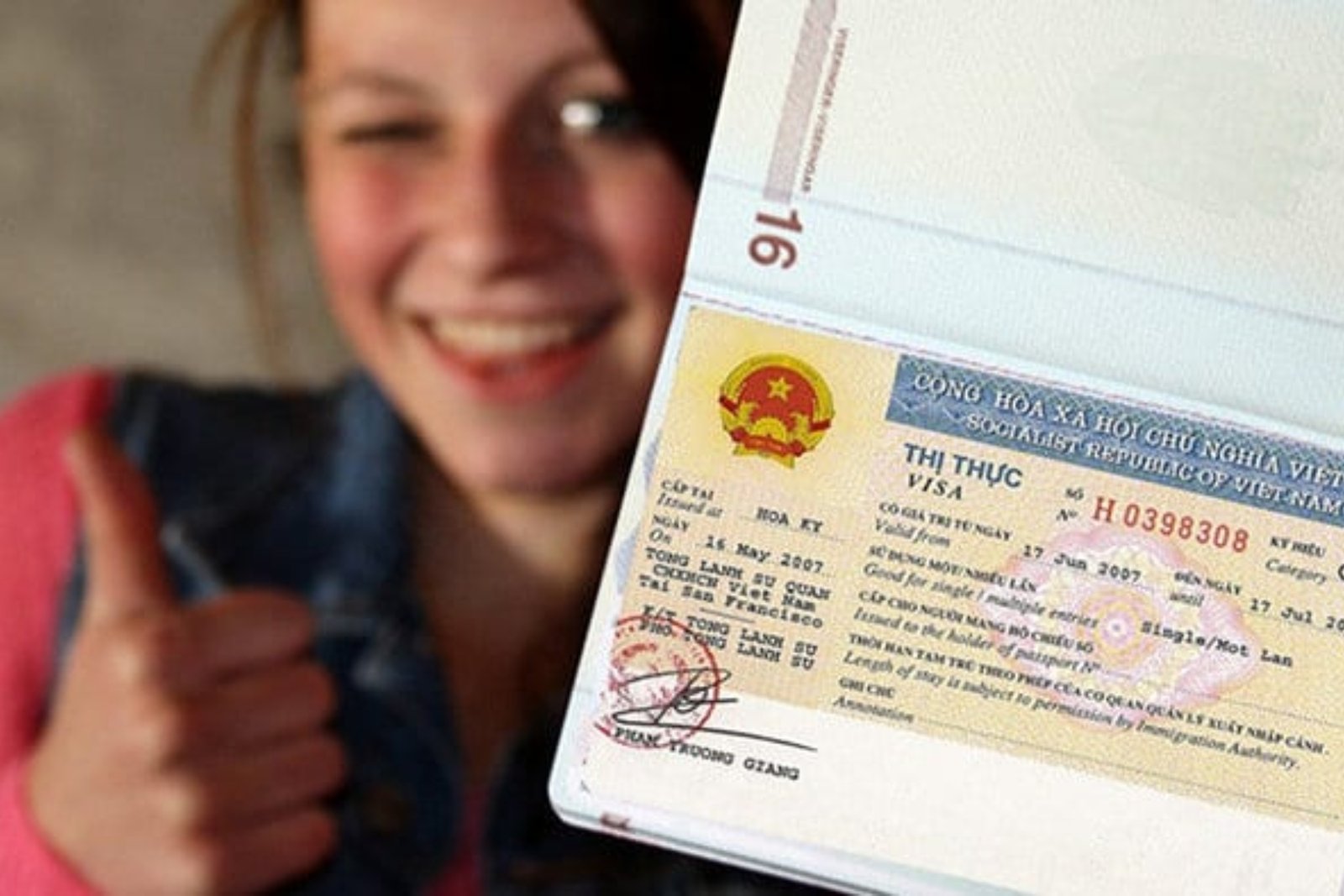
The journey to obtaining a Vietnam visa as a Malaysian citizen is more than just paperwork; it’s the gateway to unforgettable adventures in a country renowned for its rich history, bustling markets, and breathtaking natural beauty. Whether you’re dreaming of cruising through Ha Long Bay, wandering the ancient streets of Hanoi, or relaxing on the beaches of Da Nang, understanding the visa application process is crucial to avoid any last-minute hurdles. For Malaysian travelers, the process involves specific steps that align with Vietnam’s immigration policies, which have evolved to become more streamlined thanks to digital advancements. This section will lay the foundation by exploring the overall landscape, common pitfalls, and the importance of meticulous preparation, all while emphasizing how following a step-by-step method can transform what might feel overwhelming into an empowering experience.
Overview of Vietnam Visa Options
Venturing into the Vietnam visa application process requires a clear understanding of the available options and how they cater to different travel needs. For Malaysian citizens, the Vietnamese government offers several pathways, each designed to accommodate various purposes such as tourism, business, or family visits. The e-Visa system, for instance, has revolutionized the process by allowing online applications, making it faster and more convenient than traditional methods. This shift not only reduces processing times but also minimizes the need for in-person visits to embassies, which can be particularly beneficial for those in Malaysia’s bustling cities like Kuala Lumpur. However, it’s essential to recognize that not all visa types are interchangeable; a tourist visa might suffice for a leisure trip, but it won’t cover extended stays for work or study. By grasping these nuances early, applicants can avoid common errors, such as applying for the wrong category, which could lead to delays or rejections. This proactive approach ensures that your travel plans remain on track, allowing you to focus on the excitement of your upcoming journey rather than bureaucratic details.
The evolution of Vietnam’s visa policies has been influenced by its growing tourism industry and international relations, including those with Malaysia. Over the past decade, bilateral agreements have simplified entry for Malaysians, granting visa exemptions for short stays or easier access to e-Visas. This development reflects Vietnam’s commitment to fostering cultural exchanges and economic ties, as seen in the increasing number of Malaysian tourists flocking to destinations like Sapa or Ho Chi Minh City. Yet, despite these advancements, the application process still demands attention to detail, such as verifying passport validity and understanding entry points. For many, this process serves as an introduction to international travel etiquette, highlighting the importance of preparation in a globalized world. As you embark on this guide, remember that patience and thoroughness will not only secure your visa but also enhance your overall travel experience, turning potential stress into a seamless adventure.
Another layer to consider is the role of technology in modernizing the visa application, which has made it more accessible for Malaysian applicants. Online platforms provide real-time updates and user-friendly interfaces, contrasting sharply with the paper-based systems of the past. This digital transformation encourages travelers to engage with the process actively, perhaps by using mobile apps to track application status or seeking advice from online communities of fellow Malaysians who have successfully navigated the system. Beyond the mechanics, this process fosters a sense of anticipation, building excitement for the cultural immersion that awaits in Vietnam. By approaching the application with a positive mindset, you can appreciate it as the first step in a larger narrative of exploration and discovery, ensuring that your trip starts on a high note.
Finally, it’s worth noting that while the process is straightforward, external factors like global events or policy changes can influence requirements. For Malaysian citizens, staying informed through official channels, such as the Vietnamese embassy in Kuala Lumpur, is key to adapting to any updates. This guide aims to equip you with the knowledge to handle such variables, promoting a stress-free application that aligns with your travel goals. As we delve deeper into the specifics, you’ll gain insights that go beyond mere instructions, offering tips for optimizing your experience and avoiding overlooked details that could impact your journey.
Common Challenges and How to Overcome Them
Embarking on the Vietnam visa application as a Malaysian can present unique challenges, from documentation errors to processing delays, but understanding these obstacles allows for better preparation. One frequent issue is the misalignment between the applicant’s travel intentions and the chosen visa type, which can lead to complications if not addressed early. For instance, a business visa requires additional endorsements that a tourist visa does not, emphasizing the need for clarity in your objectives. Malaysian applicants often face hurdles related to passport photos or forms, where minor discrepancies, like incorrect dimensions or signatures, can cause rejections. To counter this, adopting a checklist mentality early in the process can streamline efforts, turning potential pitfalls into manageable steps. Moreover, the psychological aspect shouldn’t be underestimated; anxiety about the unknown can amplify these challenges, so viewing the application as an educational opportunity rather than a barrier can shift your perspective positively.
In recent years, the COVID-19 pandemic has added layers of complexity to international travel, including Vietnam’s visa processes, with requirements for health declarations and vaccination proofs becoming standard. For Malaysians, this means integrating health-related documents into the application, which adds to the preparation time but ensures safer travels. Overcoming these challenges involves leveraging resources like online forums or consular services, where shared experiences from other applicants provide valuable insights. For example, learning from peers who have dealt with similar issues can reveal shortcuts, such as using certified translation services for any required documents in Bahasa Malaysia. This community-driven knowledge not only demystifies the process but also builds a network of support, making the journey less isolating and more collaborative. By anticipating these hurdles, you can approach the application with resilience, transforming challenges into growth opportunities that enhance your travel readiness.
Furthermore, time management plays a pivotal role in navigating the application successfully. Many Malaysian applicants underestimate the processing duration, especially for embassy submissions, which can take several weeks. This oversight often stems from overconfidence in digital options like the e-Visa, which promises quicker turnaround but still requires buffer time for verification. To mitigate this, integrating the application into your broader travel planning—such as booking flights only after visa approval—can prevent financial losses from non-refundable reservations. Engaging with professional visa services, though optional, offers another layer of assurance, as they specialize in handling intricacies that individuals might miss. This strategic approach not only safeguards against delays but also allows you to savor the anticipation of your trip, perhaps by researching Vietnamese customs or cuisine in the meantime. Ultimately, by addressing these common challenges head-on, you’ll emerge with a smoother process and greater confidence in your abilities as a global traveler.
The key to overcoming these obstacles lies in a balanced blend of preparation and flexibility. As you progress through this guide, you’ll find that each step builds upon the last, equipping you with the tools to handle unforeseen issues. For Malaysian citizens, this means embracing the process as part of the adventure, where every resolved challenge contributes to a more enriching travel story. By the end, you’ll not only have your visa in hand but also a newfound appreciation for the intricacies of international mobility.
Benefits of a Well-Prepared Application
A meticulously prepared Vietnam visa application yields numerous benefits that extend far beyond the approval itself, particularly for Malaysian citizens eager to explore new horizons. Firstly, it minimizes the risk of rejection, which can be disheartening and costly, by ensuring all criteria are met from the outset. This thoroughness allows applicants to enjoy peace of mind, knowing that their documents are in order and compliant with Vietnam’s stringent standards. Moreover, a well-organized application can expedite processing times, especially in the case of e-Visas, where efficiency is paramount. For many Malaysians, this preparation phase serves as an opportunity to reflect on their travel motives, fostering a deeper connection to the destination and enhancing the overall experience. By investing time upfront, you’re not just securing entry; you’re laying the groundwork for a memorable and hassle-free trip.
In the context of Malaysia’s vibrant travel community, a prepared application can open doors to exclusive opportunities, such as group tours or cultural events in Vietnam that require verified documentation. This foresight enables travelers to participate fully, without the distraction of administrative worries, allowing them to immerse themselves in experiences like tasting street food in Hanoi or hiking in the highlands. Additionally, the process encourages personal growth, as navigating international requirements builds skills in research and organization that prove useful in other aspects of life. For instance, the discipline learned here can translate to better planning in professional or personal endeavors, making the visa application a catalyst for broader development. Ultimately, this proactive stance transforms what could be a mundane task into a rewarding prelude to adventure.
Another advantage is the potential for cost savings, as errors in the application can lead to resubmission fees or expedited services that inflate expenses. By double-checking details and utilizing free resources like embassy websites, Malaysian applicants can avoid these pitfalls, allocating funds instead towards enriching their trip, such as booking guided tours or accommodation upgrades. This financial prudence is particularly relevant in today’s economic climate, where budget-conscious travelers seek value in every aspect of their plans. Furthermore, a well-prepared application fosters a sense of accomplishment, boosting confidence as you board your flight to Vietnam. It’s this combination of practical and emotional benefits that makes the effort worthwhile, turning the application process into a stepping stone for lifelong memories.
In summary, the rewards of a well-executed application are multifaceted, enhancing not only your travel logistics but also your personal enrichment. As you proceed through the subsequent steps in this guide, keep in mind how each element contributes to a seamless journey, ensuring that your time in Vietnam is as fulfilling as possible.
Key Takeaways for Malaysian Applicants
For Malaysian citizens, the Vietnam visa application process is an inviting pathway that, when navigated correctly, leads to seamless travel experiences. This initial overview highlights the importance of understanding the broader context, from eligibility checks to strategic preparation, as foundational elements that set the stage for success. By addressing common challenges and leveraging the benefits of thorough planning, applicants can approach the process with optimism and efficiency.
Am I Eligible? Vietnam Visa Requirements for Malaysian Citizens

Determining eligibility for a Vietnam visa as a Malaysian citizen is a critical first step that can shape the entire application journey, ensuring you’re not caught off guard by unforeseen restrictions. Malaysia enjoys a favorable position in Vietnam’s visa policies, with certain exemptions for short stays, but this doesn’t eliminate the need for careful scrutiny of requirements like passport validity and purpose of visit. This section delves into the nuances that make the process unique for Malaysians, drawing from historical agreements and current regulations to provide a holistic view. Understanding these criteria not only streamlines your application but also empowers you to make informed decisions, transforming potential barriers into stepping stones for your adventure.
Passport and Basic Identification Needs
Securing a Vietnam visa begins with ensuring your passport meets the essential criteria, a step that Malaysian citizens often overlook in their eagerness to travel. Your passport must be valid for at least six months beyond your planned entry date into Vietnam, a standard requirement that prevents complications at border control. This rule stems from international norms aimed at facilitating smooth migrations, but for Malaysians, it’s particularly relevant given the proximity and frequency of travel between the two nations. Beyond validity, the passport should be in good condition, free from damages that could raise red flags during verification, as even minor tears might necessitate a renewal process back in Malaysia. This preparation involves not just checking the expiration date but also verifying that all pages are intact, which can be done through Malaysia’s Immigration Department for a nominal fee.
Once you’ve confirmed your passport’s status, consider the implications of any endorsements or stamps it might hold, as these can affect your eligibility. For instance, if your passport has been used for recent travels to restricted areas, it could influence Vietnam’s entry policies, requiring additional documentation to clarify your intentions. Malaysian applicants benefit from a relatively lenient stance, but this doesn’t negate the need for diligence; think of it as building a strong foundation for your application. The process encourages a reflective approach, where you assess not just the document’s physical state but its role in your travel narrative, ensuring it aligns with Vietnam’s expectations. By prioritizing this early, you avoid the stress of last-minute scrambles, setting a positive tone for the rest of the procedure.
Moreover, in the digital age, linking your passport to online systems like Vietnam’s e-Visa portal adds another layer of verification, where biometric data might be cross-referenced. This integration highlights the evolving nature of international travel, where traditional documents intersect with technology to enhance security. For Malaysian citizens, this means preparing for potential scans or uploads, perhaps by digitizing your passport details in advance. The experience can be enriching, offering insights into global connectivity and the ways in which personal identification evolves. Ultimately, by mastering these basics, you’re not just meeting requirements; you’re embracing a more interconnected world of travel.
As you move forward, remember that a well-maintained passport is your key to unlocking Vietnam’s wonders, from the Mekong Delta to the imperial city of Hue. This step, though fundamental, is where many applicants build confidence, realizing that eligibility is about preparation as much as it is about rules.
Visa-Specific Requirements Based on Travel Purpose
Eligibility for a Vietnam visa extends beyond the passport to encompass the specific intent of your trip, a factor that Malaysian citizens must articulate clearly to align with Vietnam’s categorization system. If you’re planning a tourist visit, for example, you’ll need to demonstrate that your stay is leisure-oriented, potentially requiring proof of accommodation or a detailed itinerary that showcases your plans. This requirement isn’t arbitrary; it’s designed to ensure that visitors contribute positively to Vietnam’s tourism economy, which has seen a surge in interest from Malaysian travelers post-pandemic. For business purposes, eligibility shifts to include invitations from Vietnamese companies or trade licenses, emphasizing the economic ties between the two countries. Understanding these distinctions helps Malaysians tailor their applications, avoiding the pitfall of generic submissions that could lead to denials.
Delving deeper, the process involves assessing how your travel purpose intersects with Vietnam’s broader policies, such as those promoting cultural exchange or investment. A student visa, for instance, demands enrollment letters from Vietnamese institutions, reflecting the growing educational partnerships between Malaysia and Vietnam. This level of specificity encourages applicants to reflect on their motivations, perhaps inspiring them to research Vietnamese culture in advance, which can enrich the application with genuine intent. For many, this step fosters a sense of anticipation, turning what could be a routine requirement into an opportunity for personal growth. By providing comprehensive evidence, Malaysian citizens not only meet eligibility standards but also demonstrate respect for the host country’s regulations.
In cases where multiple purposes overlap, such as a mix of tourism and family visits, eligibility can become more complex, necessitating a hybrid visa type that accommodates both. Here, documentation like family ties or invitation letters plays a crucial role, and for Malaysians, leveraging consular advice can clarify ambiguities. This nuanced approach underscores the importance of honesty in applications, as misrepresenting your intent could result in future travel bans. Through this process, applicants gain a deeper appreciation for the intricacies of international mobility, learning that eligibility is as much about storytelling as it is about paperwork. As you navigate this, consider how your purpose aligns with Vietnam’s vibrant society, enhancing your eligibility profile.
Ultimately, by aligning your travel objectives with the appropriate visa category, you’re pavingthe way for a smooth visa application process. This endeavor not only fulfills the basic requirements but also enriches your travel experience even before setting foot in Vietnam. The understanding of eligibility and specific requirements instills a sense of responsibility, reminding you that as a visitor, you are a guest in someone else’s home, which warrants courtesy and compliance with their regulations.
Understanding Visa Duration and Validity
While navigating eligibility criteria, it’s crucial to grasp the nuances of visa duration and validity. For Malaysian citizens, knowing how long you can stay and the visa’s overall validity period adds another layer of preparation, enabling you to plan effectively. Tourist visas typically allow stays ranging from 15 to 30 days, depending on the type you choose, while business visas might offer longer durations based on the nature of your activities. Understanding these timeframes is essential; they dictate not only your travel itinerary but also potentially impact your accommodation and transportation arrangements upon arrival.
This aspect of the visa application process encourages Malaysians to carefully consider their plans. Are you looking to embark on a whirlwind tour of Ho Chi Minh City and Hanoi within a limited timeframe? Or do you envision a more extended sojourn to explore the Mekong Delta’s hidden gems? Such considerations will guide you toward the right visa type, ensuring that your travel aspirations align seamlessly with visa stipulations. It also fosters a deeper engagement with travel planning, prompting you to inquire about local attractions and cultural experiences that warrant a longer stay.
Moreover, understanding visa duration plays into broader themes of international travel, including potential overstays and the associated risks. Overstaying your visa can lead to fines or even bans from re-entering Vietnam, an outcome best avoided by being proactive in your planning. This reflection provides a valuable lesson in responsibility, emphasizing that your actions during your stay directly impact future travels. By staying informed and prepared, you’re not merely fulfilling bureaucratic requirements; you’re respecting the host nation’s laws and fostering goodwill between Malaysia and Vietnam.
In essence, comprehending visa duration and validity transforms your perspective on travel. It shifts your mindset from viewing the visa as a mere formality to recognizing it as a vital component of your journey. This newfound awareness enhances your confidence as you prepare for an enriching experience in Vietnam.
Step 1: Determining Your Visa Type – Tourist, Business, and More
As you embark on the Vietnam visa application journey, determining the visa type that aligns with your travel purpose is a critical first step. For Malaysian citizens, this process requires careful consideration of your intentions throughout your stay in Vietnam. Whether you’re planning a leisurely vacation, embarking on a business endeavor, or visiting family, understanding the different visa categories available empowers you to make informed decisions tailored to your needs.
Types of Visas Available
Vietnam offers various visa types designed for specific purposes, each catering to unique travel objectives. For instance, the tourist visa, typically valid for 30 days, allows Malaysians to explore the rich tapestry of Vietnamese culture, landscapes, and culinary delights. This option appeals to those looking for leisure travel without the need for extensive documentation beyond basic identification.
On the other hand, if your trip revolves around work-related engagements, the business visa becomes pivotal. This visa generally permits longer stays and often requires invitation letters or sponsorship from Vietnamese companies. Understanding the implications of each visa type ensures that you select one that best suits your situation, minimizing hassles during your trip.
For student travelers, the student visa opens doors to educational opportunities within Vietnam’s burgeoning academic landscape. Similar to business visas, student visas demand proof of enrollment from recognized institutions, reflecting a commitment to fostering educational exchanges. Malaysians interested in enhancing their skills through international studies should consider this option seriously, as it not only legitimizes their presence in Vietnam but also enriches their personal and professional growth.
Another notable category is the family reunion visa, designed for Malaysians wishing to visit relatives residing in Vietnam. This visa requires proof of familial ties, ensuring that applicants meet the necessary conditions to foster family connections across borders. By understanding the differences among visa types, Malaysian citizens can navigate the application process with greater ease, aligning their documents with Vietnam’s policies.
Considerations for Choosing the Right Visa
Choosing the appropriate visa type hinges on several factors, including travel duration, the nature of your activities, and the level of documentation required. As you assess your options, consider how long you plan to stay. A tourist visa might suffice for short-term visits, while extended journeys may necessitate exploring work or study-related visas.
Additionally, reflect on your financial standing and whether you have sufficient resources to support your intended stay. Some visa types require proof of funds, underscoring the importance of demonstrating financial stability to the authorities. This attention to detail fosters a sense of accountability, reinforcing the notion that responsible travel goes hand-in-hand with complying with legal requirements.
It’s equally vital to consider any changes in circumstances that might arise post-application. If your travel plans evolve, such as transitioning from a leisure-focused trip to business meetings, understanding how easily you can switch visa types or extend your stay will play a significant role in uninterrupted travel enjoyment.
Ultimately, determining your visa type is not just a logistical exercise—it’s an opportunity to think introspectively about what you hope to achieve during your visit to Vietnam. This exploratory phase encourages meaningful reflections on your travel motivations and desires, ensuring that every aspect of your application resonates with your unique narrative.
Conclusion
Navigating the Vietnam visa application process from Malaysia can initially seem daunting. However, by systematically breaking down each step from eligibility assessment to visa type determination, you equip yourself with the knowledge and confidence needed to succeed. Each stage informs and prepares you for the next, transforming your anxiety into excitement as you contemplate your upcoming adventures.
Understanding the essentials—from ensuring your passport meets the required standards to articulating the purpose of your visit—creates a solid foundation for your application. The insights gained throughout this journey deepen your appreciation for the interconnections that bind nations and cultures, empowering you to approach your travels with a sense of responsibility and respect.
As you move forward, remember that every document submitted and every requirement met serves to enhance not only your travel experience but also reinforces the bond between Malaysia and Vietnam. By embracing this process holistically, you don’t simply secure a visa; you open the door to a world of exploration, connection, and shared experiences that await you in Vietnam. Safe travels!