Hoi An, the charming ancient town nestled on Vietnam’s central coast, is a tapestry woven with vibrant colors, rich history, and an undeniable allure. While its beauty readily captivates tourists worldwide, a crucial aspect often overlooked is its accessibility for individuals with disabilities. This article delves into the realities of disabled tourism in Hoi An, exploring both the challenges and the surprising opportunities that make it a uniquely rewarding destination, even with its limitations. The question, What Makes Hoi An Special for Disabled Tourists?, is answered not just by what’s easily accessible, but by the adaptability, the warmth of its people, and the unwavering charm of its historical heart.
Table of Contents
Introduction: Unveiling Hoi An’s Appeal for Disabled Tourists

Hoi An’s reputation precedes it: a captivating blend of ancient architecture, bustling markets, and delicious cuisine. However, the question of accessibility for disabled tourists requires a nuanced exploration. While the town’s infrastructure isn’t yet fully adapted, its inherent charm, coupled with careful planning and a resourceful approach, can unlock a truly memorable travel experience. This introduction serves as a prelude to a detailed exploration of both the hurdles and the unique advantages Hoi An offers to travelers with disabilities. We will examine the existing challenges, highlight the strengths, and ultimately, illustrate how with the right preparation, Hoi An can become an unforgettable destination for everyone.
The Allure of Hoi An: Beyond the Surface
Hoi An’s appeal lies in its captivating blend of history, culture, and stunning natural beauty. The ancient town, a UNESCO World Heritage site, is a labyrinth of narrow streets lined with colorful shophouses, ancient temples, and tailor shops renowned for their exquisite craftsmanship. The Thu Bon River meanders gracefully through the heart of the town, offering peaceful boat trips and scenic views. Beyond the town itself, the nearby An Bang Beach presents a tranquil escape, while the lush surrounding countryside offers opportunities for exploration and immersion in Vietnamese rural life. This inherent charm provides a significant foundation for making the necessary adaptions to accommodate disabled tourists.
Navigating the Challenges: An Honest Look at Accessibility Gaps
The reality, however, is that Hoi An, like many historical towns, presents significant accessibility challenges. Uneven pavements, narrow streets, and a lack of ramps in many buildings are realities that cannot be ignored. While efforts are being made to improve infrastructure, these gaps represent a significant hurdle for wheelchair users and individuals with other mobility impairments. Public transportation and information access can also pose significant difficulties. Addressing these challenges head-on is critical to ensuring that the town’s inherent allure is accessible to everyone.
The Human Factor: Hoi An’s Undeniable Warmth
Despite the infrastructural challenges, Hoi An resonates with a warmth and hospitality that often mitigates the difficulties. Vietnamese culture emphasizes respect and attentiveness to guests, and this is often powerfully evident in Hoi An. Locals are frequently willing to offer assistance, provide guidance, and go out of their way to make visitors feel welcome, adding a uniquely heartening element to the travel experience. This inherent cultural kindness is a crucial element that enhances the potential of Hoi An as a destination for travelers with disabilities.
Accessibility Challenges and Advancements in Hoi An: An Overview
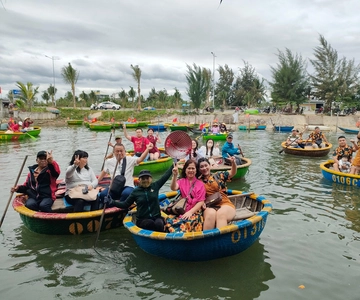
Despite Hoi An’s undeniable charm, its accessibility remains a significant consideration for disabled tourists. Infrastructure designed for universal access is still developing throughout Vietnam, and while major cities like Hanoi and Ho Chi Minh City are leading the charge, Hoi An’s historical preservation often presents physical barriers. A complete and holistic view requires understanding both the existing challenges and the gradual advancements being made.
Uneven Pavements and the Ancient Town Labyrinth
The heart of Hoi An, its ancient town, is a stunning maze of narrow streets, many still paved with uneven cobblestones. While some areas have been updated with smoother paving, these inconsistencies create significant obstacles for wheelchair users and those with mobility aids. This poses not simply a difficulty in navigating the streets, but also a risk of accidents. The beauty of the ancient town is a key element of Hoi An but it necessitates careful consideration of alternatives and assistance for travellers with disabilities.
Ramp Deficiencies and Building Accessibility
Many of Hoi An’s traditional buildings lack ramps or elevators, hindering access to shops, restaurants, and historical sites. While newer establishments are gradually incorporating accessible features, the majority of the older structures remain inaccessible. This necessitates a careful selection of places to visit and demands that tourists be aware of the limitations. Planning ahead and having alternative arrangements in place is an absolute must.
Transportation: Limited Options for Wheelchair Users
Traditional forms of transport, like cyclos (bicycle rickshaws), are inherently inaccessible. Even taxis are not always equipped with ramps or sufficient space for wheelchairs and other mobility aids. This lack of accessible transportation options necessitates careful pre-planning and arranging for alternative transport or assistance in advance. The limited options place a significant burden on tourists, demanding thorough preparations to ensure ease of movement within the town.
Accessible Accommodation Options in Hoi An: Hotels and Homestays Catering to Diverse Needs
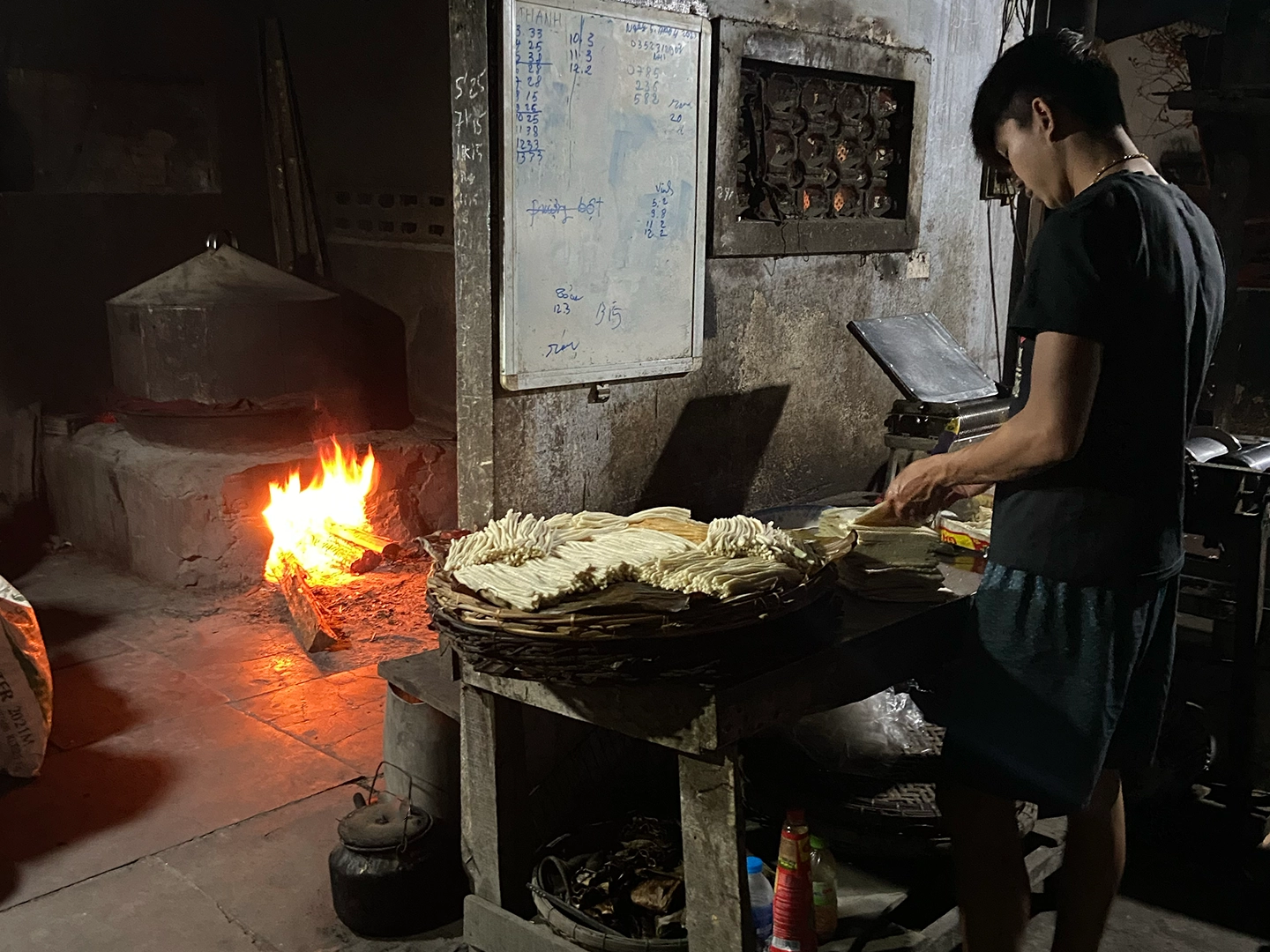
Finding truly accessible accommodation in Hoi An requires diligent research and direct communication with hotels. The range of accessibility features varies significantly from place to place, so pre-booking is critical. While the overall accessibility infrastructure is still improving, many accommodations are becoming more sensitive to the needs of travelers with disabilities.
Identifying Accessible Features: What to Look For
When searching for lodging, look for hotels and homestays that explicitly advertise accessibility features. Crucial elements include roll-in showers, grab bars in bathrooms, wide doorways, and ground-floor rooms. Don’t hesitate to contact the accommodation directly to discuss specific requirements and inquire about the availability of ramps, elevators, and any modifications they can provide to ensure a comfortable stay. Clear and direct communication ensures expectations are met.
Homestays and Boutique Hotels: A Potential Niche
Hoi An boasts numerous charming homestays and boutique hotels, some of which are more likely to be receptive to individual requests for accessibility accommodations compared to larger hotel chains. The smaller scale often allows for greater flexibility in meeting specialized needs and can create a more personalized and attentive experience for disabled travelers.
Online Booking Platforms and Accessibility Filters
While not always entirely reliable, online booking platforms are increasingly incorporating accessibility filters. These filters can help narrow your search, but always verify the information directly with the hotel to ensure the accuracy of the descriptions. Prioritize direct communication to avoid disappointments. Always cross-check, as the information provided by online platforms might contain outdated data.
Navigating Hoi An’s Ancient Town: Evaluating Wheelchair Friendliness and Alternative Transportation
Navigating Hoi An’s Ancient Town in a wheelchair or with other mobility challenges presents unique difficulties. The narrow streets and uneven pavements often make independent travel challenging, if not impossible. However, adaptable strategies and alternate transport can make exploration more manageable.
Wheelchair Accessibility Challenges: The Reality of Hoi An’s Streets
The reality is that many sections of the Ancient Town are not wheelchair-friendly. The narrowness of the streets, coupled with the uneven cobblestones, creates obstacles that can limit independent mobility. This doesn’t preclude exploration, but requires a modified approach, relying on alternative transportation and careful route planning.
Alternative Transportation: Options and Considerations
Various transportation options can be arranged to mitigate the challenging terrain faced by wheelchair users. Wheelchair-accessible taxis must be carefully researched and booked in advance to ensure availability; modified transport providers are more readily available but require advance booking. Hiring private car services or employing a local guide for transportation assistance ensures a smoother journey.
The Role of a Local Guide: Navigating the Labyrinth
A local guide can offer invaluable assistance to disabled tourists in Hoi An. They can not only provide navigation but also offer important insights into Hoi An’s hidden gems and lesser-known pathways which may be more accessible. A local guide can serve as a translator and assist with communication, a function especially important when dealing with individual shops and services.
Accessible Activities and Attractions: Enjoying Hoi An’s Culture and Heritage
Despite the accessibility challenges, Hoi An offers a wealth of cultural experiences that can be adapted to accommodate various disabilities. With some pre-planning, the town’s rich heritage can be enjoyed by all.
Exploring Temples and Historical Sites: Adapting the Experience
While access to some temples and historical sites might be limited, many offer alternative points of entry to accommodate those with mobility challenges. It’s essential to check beforehand and work directly with the sites to determine what accommodations can be made. Guides can often provide helpful alternative routes and tailored explanations to ensure a rewarding experience.
Tailor Shops: Bringing the Experience to You
Hoi An’s renowned tailor shops present a unique opportunity. Many tailors are willing to conduct fittings and consultations at your hotel, eliminating the need to navigate potentially inaccessible shops. This makes the famous Hoi An tailoring experience accessible to everyone—a testament to the adaptability of cultural offerings.
Cooking Classes: Adapting Workspaces and Recipes
Many cooking schools cater to diverse needs, being willing to modify workstations and adjust recipes for dietary restrictions or physical limitations. Enquire about their adaptability before booking the classes, ensuring the class can be adjusted to your needs and abilities. This again highlights the willingness of the local community to modify culturally significant events to embrace their guests.
Dining Out: Finding Accessible Restaurants and Catering to Dietary Needs
Finding accessible restaurants in Hoi An requires thoughtful planning, as some may present physical barriers. However, many restaurants can accommodate dietary restrictions and offer solutions to make dining experiences comfortable.
Identifying Accessible Restaurants: Key Considerations
When searching for restaurants, check for level entrances and assess your ease of mobility within the building before entering if possible. Choose restaurants with less elaborate interior layouts, selecting those that have more open and straightforward configurations. Consider researching restaurants near your accommodation to minimize the distance required for mobility devices.
Communicating Dietary Needs: Ensuring Comfortable Dining
It is essential to clearly communicate any dietary restrictions or needs to your server, in advance if possible. Many restaurants have the capacity to accommodate dietary needs, but clear communication ensures that your needs are understood and catered to.
Street Food and Local Delights: A Sensory Journey
Hoi An’s street food scene presents both exciting flavours and potential sensory challenges. The bustle of the markets can be overwhelming, but carefully navigating these environments and embracing the unique tastes of Hoi An offers an exciting exploration of local cuisine. Careful selection of locations and time can help adjust for sensory overload issues.
Essential Services for Disabled Tourists: Healthcare, Equipment Rentals, and Support Organizations
Access to essential services is critical for a smooth and safe travel experience. While services may not be as developed as in some Western countries, resources are available with some pre-planning.
Healthcare Access and Emergency Services: Understanding the System
Understanding the local healthcare system and its accessibility is imperative. While medical tourism is growing, ensure you have comprehensive travel insurance and understand the process for accessing medical care within Hoi An in case of an emergency.
Equipment Rentals: Mobility Aids and Assistive Devices
Whilst dedicated mobility aid rental services might not be widely advertised in Hoi An, contacting your hotel or tour operator in advance often yields successful findings. They may be able to connect you with local suppliers capable of providing equipment on a rental basis.
Local Support Organizations and Community Initiatives
Search for local support organisations or groups that focus on accessible tourism or disability rights before your trip. Contacting them can provide invaluable connections and support during your visit to Hoi An. Such groups often have a better knowledge of the local nuances and resources available compared to typical travel guides.
Personal Stories: Experiences of Disabled Tourists in Hoi An
Sharing personal experiences of travelers with disabilities sheds light on the real impacts of accessibility in Hoi An and highlights the triumphs and challenges faced. These insights provide a critical human perspective and valuable recommendations for future travelers. These stories can serve as encouragement, inspiration, and critical information for potential visitors.
Triumphs Over Challenges: Overcoming Accessibility Barriers
Many travelers recount their experiences despite limited accessibility. These accounts often showcase the adaptability of the local community, illustrating how thoughtful planning combined with the welcoming nature of Hoi An can create a fulfilling travel experience despite infrastructural challenges. The narrative of successful adaptation provides an invaluable insight for prospective tourists.
The Unexpected Joys: Uncovering Hoi An’s Hidden Charms
Travelers have often encountered unexpected moments of joy while navigating Hoi An. They may experience unexpected kindnesses or find hidden gems and unique alternatives not mentioned in traditional tourism materials. The element of serendipity and discovery often outweighs challenges for many travelers. The human element of travel often offers significant rewards that improve traveller satisfaction.
Learning Opportunities and Cultural Exchange
Travelers with disabilities sometimes gain unique insight into local culture and customs through their accommodations, interactions, and experiences. This cultural exchange often proves highly rewarding and can lead to valuable perspectives not often shared in mainstream travel experiences. The interaction with the local community offers an irreplaceable dimension to cultural enjoyment.
Planning Your Trip: Practical Tips and Resources for a Smooth and Enjoyable Visit
With some careful planning and proactive steps, a trip to Hoi An can be a joy for travelers with disabilities. Prior preparation minimizes surprises and significantly improves the overall experience.
Thorough Research and Direct Communication: The Key to Success
Don’t solely rely on generalized travel guides. Investigate specific accessibility features of accommodations, restaurants, and attractions through direct contact with the facilities. Thorough research is crucial in minimizing unexpected logistical difficulties.
Building a Support Network: Local Guides and Assistants
Consider engaging a local guide who can provide navigation and assistance. A reliable guide can bridge communication gaps, coordinate transportation, and offer invaluable local insights. The comfort and ease of having an on-site companion can significantly improve the journey.
Packing Strategically: Prioritizing Essential Mobility Aids and Medications
Pack any needed mobility aids, medical supplies, and essential medications carefully. Verify customs regulations and pack them accessibly to avoid further problems if travel delays or unexpected events occur. This is a crucial aspect of any traveller’s preparation especially persons with disabilities.
The Future of Accessible Tourism in Hoi An: Continued Improvements and Initiatives
While Hoi An’s accessibility is still evolving, ongoing efforts and initiatives offer hope for continued improvement, including greater awareness, infrastructure upgrades, and support from local authorities and tourism stakeholders.
Advocacy and Awareness: Raising the Profile of Accessible Tourism
Advocacy and raising awareness within the tourism sector regarding accessibility needs are crucial to driving positive change. Encouraging dialogue between disabled travelers, local businesses, and government entities helps to promote inclusive tourism practices and sustainable solutions.
Infrastructure Upgrades: Paving the Way for Easier Navigation
Continued implementation of infrastructure upgrades within the ancient town is needed, ensuring smoother pavements, the addition of ramps, and enhancements to public transportation. These improvements will make the entire town more accessible and invite all segments of society to experience Hoi An.
Training and Education: Empowering the Local Community
Trainings and educational programs for local businesses and service providers on disability sensitivity, accessibility practices, and universal design principles will uplift all members of the community and drive responsible tourism initiatives.
Conclusion
Hoi An, with its inherent charm and the warmth of its people, possesses a remarkable potential to become a truly inclusive destination for disabled tourists. While existing infrastructural challenges need to be acknowledged and overcome, the adaptability of the local community and the unique offerings of Hoi An create a surprisingly rewarding travel experience. With careful planning, proactive communication, and a spirit of adventure, Hoi An can reveal its hidden gems and create lasting memories for all visitors, regardless of their abilities. The question, What Makes Hoi An Special for Disabled Tourists?, is answered best by the experiences of those who have navigated its challenges and embraced its unique spirit.
Contact Us – Accessible Vietnam Travel Fast Visa Services
Planning a trip to Vietnam and need a hassle-free visa? Looking for accessible travel options? VNDisability Travel is here to make your journey smooth, secure, and enjoyable!
We specialize in fast, safe, and cost-effective visa services for travelers with disabilities, ensuring that your entry into Vietnam is as seamless as your travel experience.
📍 Contact Information
📞 Hotline: (+84) 968 18 77 18
📧 Email: support@visavietnamonline.org
🌐 Website: https://visavietnamonline.org
📍 Office Address: Hanoi, Vietnam
📩 Get Your Vietnam Visa with Ease!
We understand that travelers with disabilities may face unique challenges. Our visa service is designed to be quick, reliable, and fully accessible. Simply fill out the form below, and we’ll handle the rest.
🔹 Apply for your Vietnam visa now: Apply Online
🔹 WhatsApp Support: (+84) 968 18 77 18