This article serves as a comprehensive guide for disabled travelers planning a trip to Vietnam, focusing on how to navigate the country’s transportation systems effectively. How to Get Around Vietnam as a Disabled Traveler: Bus, taxi, and train travel present unique challenges, but with careful planning and a proactive approach, a fulfilling and accessible journey is achievable. We’ll delve into the realities of accessibility in Vietnam and offer practical strategies for utilizing each mode of transport, providing a detailed roadmap for your adventure.
Table of Contents
Accessible Vietnam: A Disabled Traveler’s Guide to Transportation

Vietnam, a land of stunning contrasts, offers incredible experiences for adventurers. However, accessibility for disabled travelers isn’t always straightforward. While the country is making strides, navigating its transportation systems requires proactive planning and a thorough understanding of its current infrastructure. This section provides a foundational overview to begin your journey of seamless travel.
Understanding the Accessibility Landscape
Vietnam’s infrastructure, particularly in older cities and towns, wasn’t built with universal accessibility in mind. Sidewalks can be uneven, broken, or entirely missing, often obstructed by vendors and motorbikes. While newer buildings and tourist hubs increasingly incorporate ramps and elevators, this isn’t universally the case. This lack of consistent infrastructure is the first hurdle for disabled travelers. It means that relying solely on public transport can be challenging, demanding creativity and adaptability.
Many disabled travelers find that booking private transportation or joining guided tours with accessibility services is the most reliable way to explore efficiently. However, independent travel remains possible, requiring careful route planning, and accepting occasional detours or limitations.
Navigating Cultural Nuances
Cultural understanding plays a significant role in a successful journey. While Vietnamese people are generally helpful and welcoming, awareness of disability rights and accessibility needs varies greatly. Some individuals may not fully grasp the specific needs of a disabled traveler. Patience, clear communication, and a positive attitude are vital tools. Learning a few basic Vietnamese phrases related to your needs can also be remarkably effective. Even simple phrases like “Tôi cần sự giúp đỡ” (I need help) can make a significant difference.
Moreover, don’t be afraid to ask for help. While assistance might not always be readily available, most Vietnamese people will gladly offer assistance if asked. Remember that expressing needs politely and patiently will usually yield positive results.
Pre-Trip Planning: Your Foundation for Success
Meticulous pre-trip preparation is paramount. This involves researching accessible accommodations, transportation options, and attractions. Utilizing online resources specifically designed for disabled travelers is highly recommended. Forums, blogs, and travel agencies catering to this niche market provide invaluable firsthand experiences and practical advice.
Before embarking on your journey, secure comprehensive travel insurance that caters to pre-existing conditions and potential incidents during travel. Contact your accommodation in advance to confirm accessibility features, such as ramps, elevators, and adapted bathrooms. Remember, clear and thorough communication ensures a smoother travel experience.
Navigating Vietnam’s Transportation System with a Disability

This section provides a more granular analysis of the primary modes of transport available in Vietnam, focusing on achieving accessibility for disabled travelers. Successful navigation requires understanding the limitations and maximizing the available options.
Bus Travel in Vietnam: Challenges and Strategies
Buses are a prevalent mode of transportation, especially for long-distance travel. Yet, accessibility often presents significant challenges. Most buses lack ramps or lifts, making boarding extremely difficult for wheelchair users. The interior is often cramped, with narrow aisles and limited space for maneuvering wheelchairs or mobility aids.
To mitigate these challenges, consider long-distance sleeper buses which offer more legroom and space, even though it’s not universally accessible. For shorter distances, taxis or private transport might be a better option. If traveling with a group, consider chartering a private bus. This enables better control over accessibility factors. Another important aspect is booking tickets well in advance to secure optimal seating arrangements near the entrance for easier access.
Taxi and Ride-Sharing Services: Finding Your Ride
Taxis and ride-hailing apps, like Grab, offer more flexibility in urban settings. However, accessibility still requires consideration. Not all taxis are wheelchair-accessible, and ensuring an accessible vehicle usually necessitates communicating your requirements directly to the driver before booking. Using applications with accessible features or calling a trusted taxi service specializing in wheelchair transportation increases the likelihood of a smooth experience.
Remember to provide your complete location details to ensure the driver can suitably make plans for pickup, including clear and concise guidance on the level of accessibility required and any additional assistance you may need.
Train Travel in Vietnam: A More Accessible Option
Vietnam’s train system is generally considered more accessible than its bus network. While not all trains are equally accessible, many offer designated areas for wheelchair users and assistance is usually available from train staff. However, confirming accessibility facilities on your chosen route before purchasing tickets remains crucial . Check the train operator’s website for details on accessible features for different train classes. Contacting the operator directly to confirm their accessibility provisions provides additional assurance.
Vietnam on Wheels: Accessible Buses, Taxis, and Trains for Disabled Travelers
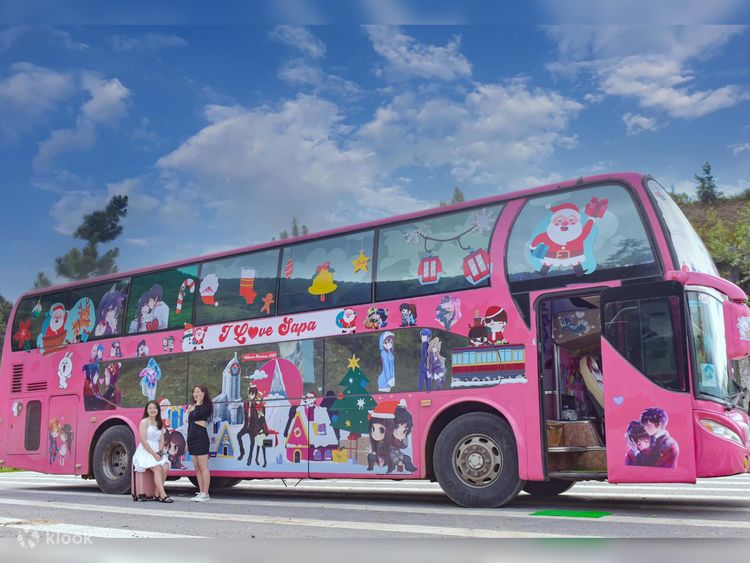
This section expands on the practicalities of navigating each transport mode, turning theory into actionable advice for your specific trip.
Buses: Making the Most of Budget-Friendly Travel
While bus travel presents challenges, it doesn’t need to be insurmountable. Choosing the right bus company, understanding its accessibility capabilities, and communicating your needs effectively can make a difference. Opt for more modern, reputable bus lines, as these may have slightly better accessibility features than older, smaller operators. Remember, pre-booking seats is critical. Requesting a seat near the entrance will simplify boarding and disembarking, and a seat with extra legroom can ease discomfort. Consider bringing a collapsible wheelchair for easier navigation.
Packing strategically for bus travel is also essential. Keep important personal items, medication, and travel documents readily accessible within reach. You can consider reaching out to the bus companies or services associated with particular routes through mail, phone, or online forms for specific inquiries on accessibility support.
Taxis and Ride-Sharing: Embracing Convenience and Flexibility
Taxis offer point-to-point transportation, eliminating the uncertainty of public buses. Using reputable ride-hailing apps allows for better communication and can increase the chances of finding a suitable vehicle. Contacting taxi companies ahead of your pick-up time enhances the likelihood of driver awareness about accessibility needs.
When using these platforms notify drivers in advance of accessibility needs. Use pictures to aid communication if necessary. Having a backup plan, such as alternative transport options, reduces stress. Consider booking a taxi for a whole day for ease of navigation in areas that are inaccessible.
Trains: A Smoother Journey for Long Distances
Train travel in Vietnam offers a relatively better experience for disabled travelers compared to buses. It’s worthwhile to investigate accessible carriage options. When booking, enquire with the train company about availability of wheelchair ramps, accessible restrooms, and trained staff assistance. Planning your journey ahead of time will reduce the chances of unexpected events on your way. Contact the train station before your travel for further assistance.
Breaking Barriers: How to Use Buses, Taxis, and Trains in Vietnam as a Disabled Traveler
This segment goes beyond the logistical and focuses on the human element – building rapport, managing expectations, and making the most of every journey.
Communication is Key: Building Bridges with Local Communities
Effective communication is critical for a smooth travel experience. Learning basic Vietnamese phrases related to your disability and needs can prove invaluable. Even simple phrases such as “Tôi cần sự giúp đỡ” (I need help) and “Tôi là người khuyết tật” (I am a disabled person) can break down communication barriers. While knowing the native language will help, there’ll be situations that require translators apps or personal travel aids. Prepare to communicate your needs patiently and politely; more often than not, positive responses will abound.
Utilizing visual aids, displaying signs clearly indicating specific needs or using translation apps can be very helpful. Remember, a smile and a humble demeanour goes a long way in any country.
Managing Expectations: Embracing Flexibility and Adaptability
Vietnam’s accessibility infrastructure, while improving, is still evolving. There might be unexpected challenges. Therefore maintaining flexibility and adaptability are vital skills. Embrace alternative routes or options if necessary. There will be situations where you’ll encounter more challenges getting around. Being able to adapt your circumstances and plan for alternative options will reduce stress and frustration.
Having backup transport arrangements in place for emergencies provides added support. Remember, patience and accepting that not everything might always be seamless is crucial.
Seeking Assistance: Don’t Hesitate to Ask for Help
Vietnamese people are generally friendly and helpful. Don’t be afraid to ask for assistance when needed. Many will be willing to lend a hand, though it’s important to be polite and respectful. Understanding that sometimes asking for help will be crucial for overcoming the accessibility challenges. Communicating your need should not be seen as an imposition, but a request for meaningful assistance.
Even a simple gesture can aid in getting around easier. If needed, ask assistance when you need to lift your bags or to maneuver your way on the stairs.
Vietnam Accessibility: Your Guide to Bus, Taxi, and Train Travel
This section is a synthesis of the previous elements, offering guidance distilled from experience.
Choosing the Right Transport Option: Balancing Cost and Convenience
The optimal mode of transport will depend on several factors: the distance you’re travelling, your budget, and your specific accessibility needs. Buses offer budget-friendly travel for long distances; however, taxis present more convenience for shorter distances. Meanwhile, trains often provide a better balance of both if they accommodate your particular accessibility considerations.
Creating a detailed schedule that incorporates every option ensures your journey is adaptable, as needed. Weigh the pros and cons of every choice before making your final decision. Prioritize convenience and comfort, while remembering your budget.
Packing Smartly: Maximizing Efficiency and Managing Essentials
Packing efficiently directly reduces stress involved with handling baggage. Utilize lightweight bags that are easy to move. Keep essentials conveniently stored, such as medications, important personal items, and documents always close to you. Having a dedicated place for personal items which provides easy access proves highly efficient to reduce unnecessary searching. Keeping a well-organized travel bag is key for an enjoyable and effortless trip.
Embracing the Unexpected: Planning for Contingencies
Unexpected delays or disruptions can happen. Ensure you have backup plans. Extra money for taxis or alternative transport will provide peace of mind. Additional contact numbers such as your accommodation or hotel helps in cases where you need assistance with directions or immediate support.
Consider the timing of travel, avoiding peak hours that often increase frustration. Planning for potential delays and taking precautionary measures reduces the stress and pressure.
Transportation Options for Disabled Visitors: Exploring Vietnam by Bus, Taxi, and Train
This chapter focuses on the selection strategies for maximizing accessibility during your trip.
Selecting the Right Bus Company: Research and Comparisons
Not all bus companies operate with the same standards. Research various companies beforehand, checking online reviews and feedback from other disabled travelers. Consider factors such as bus type, seating arrangement, and level of assistance provided by staff. Inquire directly with the companies about accessibility features; this proactive method reduces potential disappointment. Selecting the appropriate company is directly dependent on your individual necessities and travel plan.
Choosing the Best Taxi Services or Ride-Sharing Apps: Prioritizing Accessibility
Carefully evaluate taxi companies or ride-hailing platforms. Ensure they have a positive reputation for providing reliable service along with support for people with disabilities. Contact the service prior to booking, communicating the accessibility requirements needed and other specific requests directly. If needed, consider employing professional transportation services specializing in accessible travel. Selecting the most dependable services is vital for a successful transition.
Optimizing Train Travel: Enhancing the Journey through Preparation
Research specific train services on each preferred route, ensuring their accommodation of accessibility support. Prioritize trains with confirmed accessible facilities, such as ramps, designated areas for wheelchair users and accessible restrooms. Contact your train operator well in advance, confirming accessibility related questions. Planning accordingly ensures a smoother and more comfortable experience on the rails.
Overcoming Challenges: Tips for Accessible Transportation in Vietnam
This section provides valuable tips honed from experience.
Advocating for Yourself: Communicating your Needs Effectively
Be proactive and assertive, communicating your needs to drivers, bus staff, or train personnel. Use clear, concise language and repeat your needs as necessary. Utilize visual aids if necessary or translation tools to alleviate potential misunderstandings. Being clear and polite generally increases chances of receiving helpful assistance.
Adapting Your Travel Style: Embracing Alternative Strategies
Be prepared for occasional disruptions or unexpected obstacles. Maintain flexibility in your travel plans, allowing yourself to pivot if needed. Having alternative options available such as extra funds for taxis or a prepared list of trusted contact services ensures preparedness and reduces any panic.
Building a Support Network: Connecting with Other Disabled Travelers
Connect with other disabled travelers who have explored Vietnam. They can share firsthand experiences and provide valuable insights regarding inaccessible locations or useful strategies. Online forums and groups are platforms for sharing tips, resources and contact points for improving efficiency and ease, significantly easing the stress of planning.
Disabled Travel in Vietnam: A Comprehensive Guide to Buses, Taxis, and Trains
This section provides a high-level overview of all aspects covered within the article.
Synthesis of Transportation Modes: A Holistic Approach
This article explored the three primary transportation options in Vietnam: buses, taxis, and trains. Each presents unique challenges and opportunities for disabled travelers and the selection primarily depends on each individual consideration. Prioritize planning, utilize adaptable strategies, and implement effective communication; every aspect contributes to achieving greater independence and enjoyment during your trip.
The Crux of Success: Effective Communication and Planning
Success in navigating Vietnam’s transportation system lies in meticulous preparation and effective communication. Reach out to relevant parties, utilize translation tools as needed, and establish effective communication to overcome linguistic gaps. A combination of planning and proactiveness is instrumental for a memorable experience.
Maximizing Your Vietnam Adventure: Embracing Challenges Rewards
Vietnam has its quirks and complexities, but its rich culture, beautiful landscapes, and welcoming people are undeniable draws. Embrace the planning process, allowing for adaptable plans to ensure a smoother and more enjoyable trip. While there might be logistical challenges, careful planning and a positive mindset go a long way in creating a unique and fulfilling experience.
Independent Travel in Vietnam: Mastering Accessible Transportation
This section focuses on the importance of self-reliance while utilizing transportation.
Strategies for Independent Travel: Empowering Your Journey
Independent travel can be transformative and deeply rewarding. While navigating the intricacies of Vietnam’s transport demands careful planning, it’s entirely possible. Prioritize thorough research; utilize online mapping and accessibility tools to find suitable routes and check various transport services to optimize the journey. This reduces the challenges often encountered when using unfamiliar transportation.
Utilising Technology: Your Digital Travel Companions
Technology plays a pivotal role in facilitating independent travel. Use smartphone navigation apps for route planning, translation tools for communication and online booking platforms for reserving transport. These tools can substantially reduce risks and uncertainties often encountered by individuals. Having the necessary tools on hand empowers independent exploration of any country or region effectively and efficiently.
Self-Advocacy Confidence: Keys to a Successful Trip
Remember, you have the power to advocate for yourself. Communicate clearly, be patient with potential misunderstandings, and do not hesitate in requesting help when needed. Confidence and self-advocacy significantly reduce anxieties and increase the chances of receiving helpful assistance from local communities.
Planning Your Accessible Trip: Bus, Taxi, and Train Strategies for Vietnam
This chapter provides a final checklist for preparation.
Detailed Itinerary: Your Roadmap to Success
Develop a detailed itinerary, including all transportation bookings, contact information of transport services and accommodation details. Having a comprehensive plan before commencing your journey reduces unexpected events and anxieties effectively. This allows you to manage the potential challenges involved with traveling in a new unfamiliar setting.
Emergency Contact Information: A Safety Net
Ensure you have emergency contact information readily accessible. Include local emergency services, chosen accommodation and transportation providers as well as personal contacts. Having this readily visible helps significantly if you face unforeseen circumstances. This backup plan gives you control over unexpected scenarios encountered in any country.
Backup Plans Alternative Options: Adaptability Resilience
Develop backup transportation plans in case of unforeseen delays or disruptions. Have extra cash readily available for alternative travel such as taxi fares or for unexpected situations. This proactive approach ensures the trip remains unhindered if you face unforeseen difficulties or scenarios. Having an adaptable mindset is key to adjusting to unique and unpredictable situations encountered when traveling independently.
Conclusion
Navigating Vietnam, as a disabled traveler, might demand more planning and flexibility. However, with careful preparation, proactive communication, and a resourceful spirit, Vietnam’s vibrant culture and breathtaking landscapes are accessible to everyone. This comprehensive guide has highlighted these aspects, offering practical strategies to convert potential challenges into opportunities for a truly unforgettable experience. Remember, embracing the unexpected and celebrating the journey itself are parts of the adventure.
Contact Us – Accessible Vietnam Travel Fast Visa Services
Planning a trip to Vietnam and need a hassle-free visa? Looking for accessible travel options? VNDisability Travel is here to make your journey smooth, secure, and enjoyable!
We specialize in fast, safe, and cost-effective visa services for travelers with disabilities, ensuring that your entry into Vietnam is as seamless as your travel experience.
📍 Contact Information
📞 Hotline: (+84) 968 18 77 18
📧 Email: support@visavietnamonline.org
🌐 Website: https://visavietnamonline.org
📍 Office Address: Hanoi, Vietnam
📩 Get Your Vietnam Visa with Ease!
We understand that travelers with disabilities may face unique challenges. Our visa service is designed to be quick, reliable, and fully accessible. Simply fill out the form below, and we’ll handle the rest.
🔹 Apply for your Vietnam visa now: Apply Online
🔹 WhatsApp Support: (+84) 968 18 77 18