This article provides a comprehensive guide on how to visit Hue Da Nang with accessibility support. It addresses the challenges and opportunities for travelers with disabilities planning a trip to these stunning Vietnamese cities, offering practical advice and detailed information to ensure a smooth and enriching experience. Knowing how to navigate accessibility considerations is key to unlocking the wonders of Hue and Da Nang for everyone.
Table of Contents
Accessible Hue Da Nang: A Comprehensive Travel Guide

Embarking on a journey to Vietnam, specifically to the captivating cities of Hue and Da Nang, can be an unforgettable experience. However, for travelers with disabilities, meticulous planning is paramount to ensure a seamless and enjoyable trip. This section delves into the essential preparations required to make your visit truly accessible, emphasizing proactive measures and informed decision-making.
Pre-Departure Medical Consultations Preparations
Before you even begin dreaming of the majestic citadels and pristine beaches, schedule a thorough consultation with your doctor. This isn’t just a formality; it’s a crucial step in ensuring your safety and well-being throughout your journey. Discuss your specific needs and any potential health challenges that might be exacerbated by travel. Don’t hesitate to delve into the specifics: the climate, the potential for exertion during sightseeing, and any precautions needed due to your unique circumstances. Obtain copies of all your prescriptions, medical records, and any relevant allergy information—ideally translated into English and Vietnamese for smoother communication. Pack your medications appropriately, adhering to all airline regulations. Considering the potential for medication shortages or supply chain issues in a foreign country, perhaps carrying a slightly larger supply than usual is prudent. This meticulous preparation can prevent unexpected complications and ensure you can fully focus on enjoying your trip.
Your doctor can also provide valuable advice on necessary vaccinations and malaria prophylaxis, especially considering Vietnam’s tropical climate. This is a critical aspect of your pre-trip preparation, often overlooked in the excitement of planning. Also, discuss any potential health issues that may be triggered by changes in diet or environment. Vietnamese cuisine is a culinary adventure, but certain dishes might pose issues for some individuals and require careful consideration. Planning these details in advance minimizes potential medical crises that could otherwise overshadow your travel experiences. Don’t hesitate to ask your doctor for clear instructions, and perhaps even a summary card outlining your medical needs in Vietnamese.
Securing Accessible Accommodation: A Priority
Choosing your hotel is more than just selecting a bed; it’s choosing the foundation of your accessible travel experience. This is possibly the most important pre-trip decision, demanding more than just viewing pretty photos on a website. You must directly contact the hotel and specifically inquire about accessibility features. Don’t rely on generic descriptions like “wheelchair accessible”; ask for concrete details. What kind of ramp is provided? Is it a gentle slope, or something steep and potentially unsafe? What is the width of the door to your room? Are there grab bars in the bathroom? Are the closets easily accessible? Request photos and videos if possible—a picture truly is worth a thousand words in this context.
Consider hotels that are part of established international chains, as those often maintain higher standards of accessibility due to their wider customer base and international regulations. However, even larger chains can vary in their standards across different properties. So contacting customer service or emailing the specific hotel is extremely important rather than just assuming that their website’s general statement of accessibility applies to the individual venue you are considering. Independently owned guesthouses or Airbnb rentals may offer unique charm and local experiences, but carefully vetting their accessibility features is absolutely essential. Don’t be afraid to ask probing questions—after all, your comfort and safety are paramount.
For visually impaired travelers, inquire about the availability of audio descriptions, Braille signage, and well-illuminated spaces. Similarly, for those with hearing impairments, ensure the hotel staff are prepared to communicate effectively using alternative modes such as visual fire alarms. Also, discuss accommodation options for those with mobility issues, including the availability of grab bars, shower chairs, etc. Remember, a successful accessible trip begins with selecting the right accommodation.
Pre-booking Accessible Transportation: From Airport to Attraction
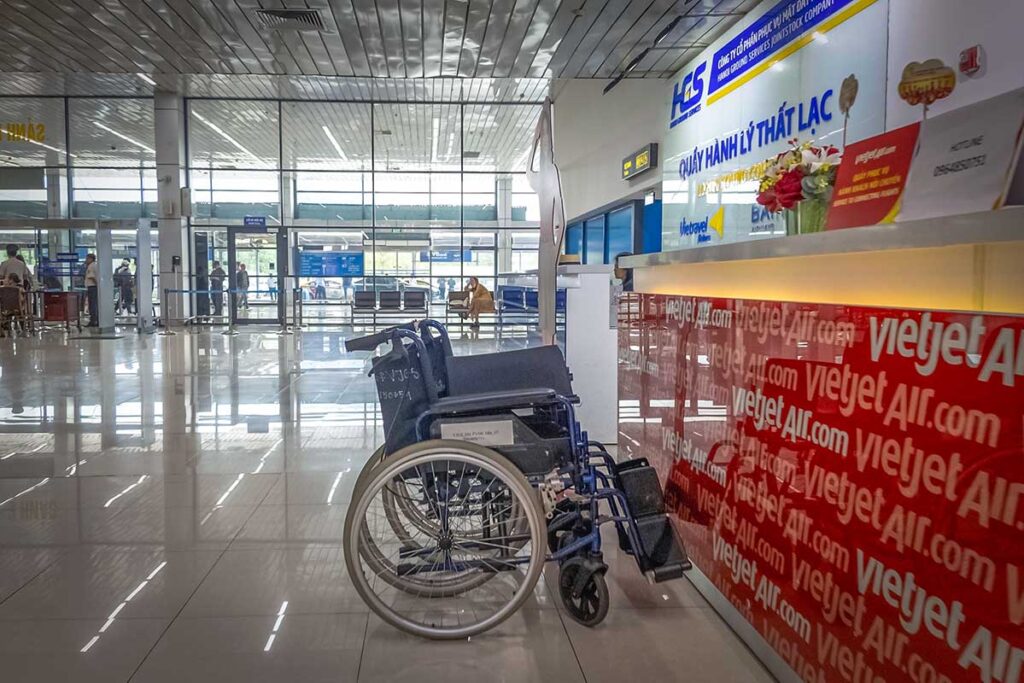
The journey itself is a significant part of the overall travel experience. Start thinking about transportation from the moment you book your flights. Contact your airline well in advance to request wheelchair assistance at both your departure and arrival airports. This is not a request to be made lightly; airlines often need time to allocate resources and personnel. The earlier your notification, the better your chance of getting the assistance you need. Also, arrange for airport transfers—don’t simply rely on the hope that an accessible taxi will be readily available at the airport. Pre-book an accessible vehicle specifically designed to accommodate your needs through reputable transfer companies. Clearly communicate your specific requirements, such as the need for a ramp or a lift, to avoid any last-minute surprises.
In both Hue and Da Nang, the availability of accessible taxis is quite limited. Hiring a private car with a driver is often the most reliable solution for navigating the cities. Discuss your specific accessibility needs with the driver beforehand to ensure they’re fully prepared to assist you. The flexibility of a private car also allows you to adapt your itinerary as needed and take advantage of spontaneous opportunities. Alternatively, utilizing Grab services might be an option, though the level of accessibility varies considerably. Checking user reviews to gauge the availability of accessible vehicles is helpful, but pre-booking an accessible car with a reliable company removes the risk of relying on unpredictable availability.
Navigating Hue Da Nang: Accessibility Considerations for Travelers
Once you’ve taken care of the pre-trip logistics, understanding the realities of navigating Hue and Da Nang presents a new set of considerations. This section examines infrastructure, communication, and resource planning specific to these cities.
Infrastructure Challenges and Workarounds in Hue and Da Nang
The infrastructure in Hue and Da Nang, while developing, doesn’t always meet the accessibility standards of Western nations. Sidewalks may be uneven, lacking ramps and tactile paving for the visually impaired. Older buildings, particularly in the historic city center of Hue, often lack elevators or sufficient lift access for wheelchair users. This doesn’t mean the historical places are out of reach, just that you need to be more resourceful. Be prepared for navigating uneven surfaces, potentially requiring assistance or different mobility aids. It’s also helpful to have a way to contact assistance in case of emergency.
Plan your routes in advance, utilizing online street view tools or maps that highlight accessibility features. While these resources may not be entirely comprehensive in Vietnam, they can still offer valuable insights. Communicate your itinerary to your hotel or your private driver to ensure that they have a sense of the challenges you might encounter. This helps them plan optimal routes and prevent unforeseen difficulties. Remember, flexibility is key when navigating an environment that isn’t fully accessible. Being prepared to adjust routes and utilize alternative approaches enhances the overall experience. Don’t be afraid to ask for assistance from locals; many are happy to help if asked courteously.
Navigating Communication Barriers
Language barriers can present significant challenges for travelers with disabilities. While English is widely spoken in tourist areas, it may not be the case in all locations. For the visually and hearing-impaired, clear communication is crucial. Ensure that your guide and driver understand your immediate needs, and be prepared to utilize visual aids and translation apps. Learning a few basic Vietnamese phrases is always helpful.
Even for those without such impairments, clear, concise communication minimizes misunderstandings. For instance, you might need to explain what assistance you require, such as help getting into a building or transferring from a vehicle. If you are using assistive devices, have a simple phrase prepared for explaining their operation, even if just a visual explanation might work, and having alternative ways to communicate allows for a smoother resolution of any difficulties you encounter. Remember that patience and understanding are essential when communicating in a foreign language and culture.
Leveraging Local Resources Expertise
While comprehensive accessible tourism resources are still developing in Vietnam, there are individuals and organizations working to strengthen support for travelers with disabilities. Research local tour operators who have experience catering to travelers with disabilities – often they will be more adaptable and empathetic than generic tour companies. They can provide valuable insights and help tailor your travel plans to your specific needs.
Additionally, reach out to local disability organizations or support groups before your trip. Local knowledge is an invaluable asset, and these groups may assist in identifying places most suited to your needs and connecting you with people who can provide practical on-the-ground assistance. Utilizing a local guide familiar with the specific accessibility challenges of the region can significantly improve your travel experience.
Planning an Accessible Trip: Hue Da Nang for All Abilities

Planning is the cornerstone of accessible travel, enabling you to anticipate challenges and strategize successful solutions. This section dives into critical facets of an accessible itinerary.
Crafting an Accessible Itinerary
The key to a successful accessible trip lies in planning a flexible and realistic itinerary. This means recognizing that you might need extra time to navigate certain locations, perhaps you might need more frequent breaks, and unexpected delays are more likely. By building extra time into your plans, it reduces unnecessary stress.
When designing your daily itinerary, prioritize accessibility over tight scheduling. Focus on attractions and activities that are more likely to be accessible and take into consideration potential travel durations between sites. Researching the accessibility of each site is paramount; not all historical sites, for example, will offer full wheelchair access due to the age and nature of the architecture.
Be realistic in your daily planning, understanding your energy levels and adjusting your plans as required. You may need to break down larger sightseeing days into smaller, more manageable segments to allow for rest periods and reduce potential exhaustion and subsequent issues. This measured approach often translates to a more satisfying and enjoyable experience.
Accommodations Bookings and Accessibility Verification
It is imperative to repeat the message about verifying accessibility features for places you want to stay. Do not simply rely on websites or general descriptions, no matter how positive they sound. Contact the hotels directly and ask for specific details, such as the width of doorways, the presence of ramps, the type of restroom fixtures, and the overall layout of accessible rooms. If possible, request photos or even a video walkthrough of the room you’re considering.
Also, confirm the availability of accessible transport to and from the airport and other important points in your journey. This is true whether you are using a private driver or relying on taxi services. In either case, it’s worth contacting the company in advance to confirm that suitable vehicles are available and to discuss your specific needs with their staff. Proactive communication ensures a smooth arrival and subsequent transfers across the duration of your visit.
Pre-arranged Transportation Solutions: Beyond the Airport Transfer
We’ve discussed the essential aspect of arranging transport from the airport. However, this is only one piece of the accessibility puzzle. You should extend this foresight to all of your transportation needs throughout your visit. Consider having a pre-arranged car and driver for the duration of your stay in Hue and Da Nang. This offers invaluable flexibility and convenience, eliminating the daily uncertainly of finding appropriate vehicles.
If you plan to travel to other destinations beyond Hue and Da Nang, be certain to address accessible transport options between locations in advance. This might mean booking accessible train travel or coach services and, if necessary, arranging for assistance during the transfers. Ensuring that all transport options align with your mobility requirements significantly reduces stress and increases enjoyment on your travels.
Essential Tips for Accessible Travel in Hue Da Nang
Practical tips and insights can make all the difference converting a potentially stressful trip into a smooth and rewarding one.
Packing Strategically for Accessibility Needs
Packing efficiently and thoughtfully for accessible travel is crucial. Bring any necessary mobility aids, such as wheelchairs, walkers, or canes. If your chair is electric, bring the correct charger(s) and adapter if needed. Always carry copies of any documentation related to your mobility aid—especially if it’s a custom piece of equipment. Having this in both English and Vietnamese can be exceptionally helpful in case of issues during your trip.
Beyond mobility aids, consider packing light. While you are likely to require extra items for mobility reasons, excessive baggage can hinder smooth travel. Pack versatile clothing items suited to the Vietnamese climate. Finally, it is very important to consider any medical needs that might require additional precautions, such as special dietary accommodations or medications that require temperature control.
Embracing the Power of Communication
We mentioned communication before, and this point cannot be overstated. Make sure you have several avenues of communication at your disposal. Download a translation app and learn basic Vietnamese phrases. This empowers you to better communicate needs to local vendors and drivers and is likely to be appreciated by the locals, enhancing your overall experience. Consider including in your communications a simple, concise card outlining your basic needs, perhaps in both English and Vietnamese. This provides a quick overview when approaching businesses or transportation services, which can significantly simplify what would otherwise be time-consuming explanations.
Beyond simple communication, carry contact information for emergency services in Vietnam, as well as details for your hotel, travel agent, and your insurance provider. This extra measure ensures preparedness in case of unforeseen circumstances or emergencies.
Leveraging Technology for Accessible Navigation
Vietnam’s less developed accessibility might create unexpected difficulties. This is where technology can help. Use GPS navigation apps that offer offline maps functionality for when internet access is patchy. However, many street maps might not be up to date (especially regarding accessibility features), so they should be utilized with caution. Complement your technology with careful research focusing on the specifics of what you plan to visit.
Wheelchair-Friendly Hue Da Nang: Exploring Vietnam with Mobility Support
This section tackles specific concerns for wheelchair users.
Navigating Hue’s Historical Sites with a Wheelchair
Hue’s historical sites, with their ancient walls and cobblestone streets, offer a significant challenge for wheelchair users. However, many areas can be navigated with some planning and assistance. The Imperial Citadel, for instance, has some accessible areas, though others will require more significant effort, possibly using different routes or even different types of transport. In advance of your visit, contact the site’s management or a relevant local tour operator to understand what areas are accessible and identify potential obstacles. It might be important to organize a personal assistant for navigating some of the more challenging passages.
Many other historic sites will have similar accessibility concerns, so plan your itineraries carefully. Consider dedicating more time to each location, to allow for rest and any delays you might encounter during navigation. Always prepare alternative options based on your perceived energy levels from day to day.
Accessing Da Nang’s Beaches and Coastal Attractions
Da Nang’s beaches are a major attraction, yet beach access can sometimes present problems. Some beaches offer better access than others. It is worth contacting local tourism offices or hotel staff to explore which beaches are most suitable for wheelchairs. Access might involve navigating through sand or over uneven ground, which could require the use of beach wheelchairs or other suitable equipment.
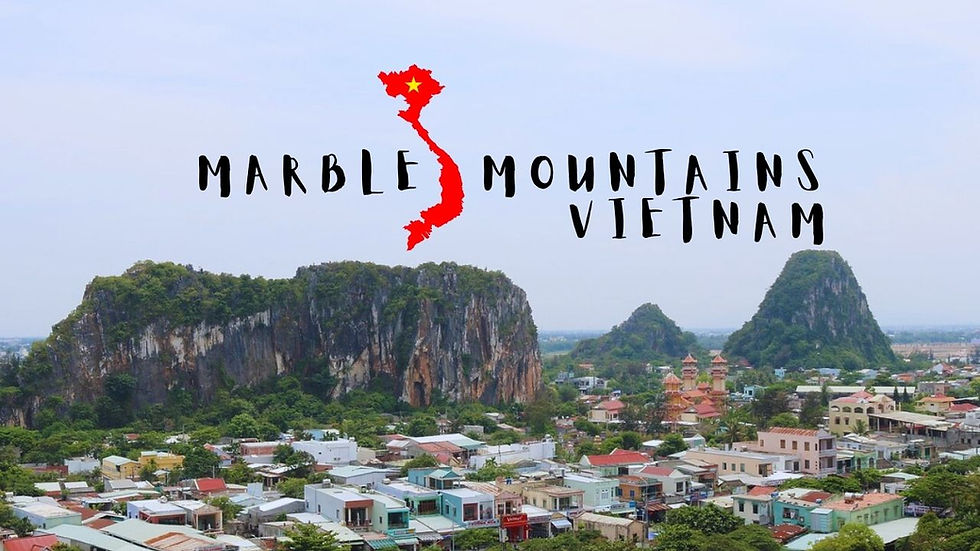
Some coastal attractions, such as the Marble Mountains, offer varying degrees of accessibility. Contact the attraction’s management to fully understand whether a wheelchair can easily navigate those sites. Many parts of Da Nang’s appeal may necessitate careful planning and perhaps even modifying certain parts of your itinerary to account for the challenges of the terrain.
Public Transportation and Wheelchair Accessibility
While public transportation options are limited, understanding the available services is crucial. Bus services may not be wheelchair-friendly, and taxi accessibility is inconsistent. Hiring a private car and driver is again the most reliable strategy for wheelchair users. Have a driver who is comfortable adjusting plans as needed throughout the trip to optimize your experience with the local environments. Also, consider your mode of transportation when evaluating your choice of accommodation. Having a hotel that is easy to access provides an extra measure of comfort and control over your daily movements. All of this contributes to a more comfortable and enjoyable experience.
Hue Da Nang: Accessible Accommodation, Transportation, and Activities
This section explores specific options and the importance of confirming accessibility features.
Finding Accessible Accommodation Options
When selecting hotels or guesthouses, directly verify wheelchair accessibility—don’t just rely on website descriptions. Ask specific questions about ramps, elevators, accessible restrooms, wide doorways, and roll-in showers. Request photos and videos if possible. This is true whether you are using a chain hotel, a smaller independent guesthouse, or even Airbnb accommodation. In each case, it’s important to be fully informed about the accessibility of the venue ahead of arrival.
In Hue, the Indochine Palace and Hotel Saigon Morin are sometimes mentioned as having potential for accessible rooms, but verify details directly with each establishment. In Da Nang, the Pullman Da Nang Beach Resort, Hyatt Regency Danang Resort Spa, and Grand Mercure Danang are often considered potentially more accessible, but it is crucial to verify all features. Always contact the hotels directly and confirm their accessible facilities match your requirements.
Arranging Reliable and Accessible Transportation
Arrange transportation ahead of time. Flights require advanced notice for wheelchair assistance. Airport transfers should be pre-booked with a reputable service offering accessible vehicles. Even when travelling within Hue and Da Nang, utilize services that can provide transport specifically designed for wheelchair users. While taxis might be an easy option in some instances, they are not always reliable in terms of accessibility, even if they appear to be adapted vehicles. Consider a private car with a driver, offering both flexibility and accessibility. The benefits of this approach far outweigh the small additional cost.
Choosing Accessible Activities and Attractions
Researching accessibility for tourist destinations is important. Many historical sites have limited or no accessible paths. Contact sites or tour operators to know what might be accessible and plan an itinerary that balances your desired activities with realistic accessibility considerations. Some options might require assistance or alternative approaches, which would be easier to anticipate and plan for in advance. In Hue, exploring pagodas and temples often requires navigating uneven ground, while in Da Nang, visiting the Marble Mountains involves steps and possibly tight spaces. Be sure to check what kind of assistance or alternative approaches might be required in advance.
Overcoming Accessibility Challenges: Your Guide to Hue Da Nang
Anticipating issues and adapting your itinerary are vital for managing accessibility challenges.
Adapting Your Itinerary for Unexpected Circumstances
Be prepared to adjust your plans as necessary. Accessibility can be unpredictable, even with meticulous planning. Always have alternative options. If a specific location turns out to be inaccessible, consider a readily available alternative with equivalent cultural or historical value. It might require a small adjustment to achieve similar value without excessive difficulties. Flexibility is a crucial component of successful accessible travel.
Requesting Assistance and Communicating Your Needs
Don’t hesitate to ask for assistance. Many Vietnamese people are happy to help. Be clear in expressing your needs, and be prepared to utilize visual aids or translation tools. Having a few basic Vietnamese phrases can greatly facilitate interactions. If the language barrier is an issue, find someone locally who can help communicate. Many hotels will provide staff to accompany you, if necessary. It’s always better to ask than to struggle in silence.
Finding Local Support Networks and Resources
Contact local disability organizations or support groups before your trip. They can provide valuable insights into accessible places, transportation options, and contact details of individuals familiar with helping travelers with disabilities. Though this resource might not be widely publicized, it represents potentially immense help to smooth the trip. This advance preparation saves many problems than might otherwise arise in finding solutions in an unexpected manner during your trip.
Inclusive Tourism in Vietnam: Experiencing Hue Da Nang with Support
This section looks at the broader context of inclusive tourism in Vietnam and the growing move towards supporting accessibility.
The Growing Trend of Accessible Tourism in Vietnam
Vietnam is increasing its focus on inclusive tourism. While accessibility remains a work in progress, more hotels and tour operators are becoming aware of the needs of disabled travelers and are working to improve their services. This is great news for prospective travellers, ensuring access to support will become easier over time. However, it’s still crucial to do thorough preparations ahead of time to ensure a comfortable trip.
Promoting Accessible Travel Practices
Support business owners who prioritize accessibility. Leaving reviews of places that demonstrate good accessibility practices helps to encourage and promote accessibility in this developing sector. Choosing businesses that accommodate disabled travellers sends a powerful message to other tourism companies, driving improvement. It also helps build an environment where future accessible tourists can enjoy greater success and comfort on their travels.
Supporting Local Initiatives for Accessibility
As you plan your trip, be mindful of any support initiatives in Vietnam designed to promote accessible tourism. If you are involved in any disability organisations or volunteer in areas that support similar causes, it might be beneficial to support their initiatives when planning your trip. This includes those initiatives that improve local communities across Vietnam.
Accessibility Resources for Visiting Hue Da Nang: Planning Made Easy
Online Resources for Accessible Travel in Vietnam
Utilize various websites and blogs focused on accessible travel in Vietnam. They provide insights, reviews, and recommendations from other disabled travelers. These online communities offer first-hand accounts and practical tips to help you plan your journey effectively. This peer-to-peer interaction provides valuable insights that are generally non-existent or unavailable through more formal tourism resources. This type of pre-travel research greatly helps smooth the entire process.
Contacting Hotels and Tour Operators Directly
When selecting specific hotels, directly contact them to request information about accessibility features, confirming specifics of the rooms you are considering, checking the availability of any assistive devices, and verifying appropriate services such as wheelchair assistance, if needed. When selecting a tour operator, again, direct inquiries help ascertain their capabilities and experience relating to clients with disabilities. This pre-assessment ensures a successful and enjoyable outcome.
Utilizing Local Guides and Interpreters
Local guides and interpreters familiar with the area and fluent in multiple languages can significantly enhance your trip and mitigate communication barriers. Professional guides may offer unique accessibility considerations relating to their previous experience with disabled travellers. They have insights and practical advice to offer that might prove invaluable across all aspects of your journey. Some local tourist offices might even have a list of guides available to help with these needs.
Beyond the Citadel: Accessible Exploration of Hue Da Nang’s Hidden Gems
Beyond the well-known attractions, Hue and Da Nang boast hidden gems worth discovering. This section highlights some less-known locations.
Hidden Gems in Hue: Accessible Options Beyond the Citadel
While the Imperial Citadel is a major attraction, Hue offers more. Explore smaller pagodas and temples (verifying accessibility first) or consider quieter spots in the surrounding countryside. These locations, though less crowded, may still offer stunning beauty and historical significance. Take advantage of pre-arranged transportation, enabling you to visit more remotely located sites by bypassing inherent challenges in using public transport.
Discovering Da Nang’s Coastal Charms: Beyond the Beaches
Da Nang’s coastline has more to offer than simply stunning beaches. Explore the Son Tra Peninsula (Monkey Mountain) or visit the Cham Museum (confirming accessibility details). The beauty and calmer nature of locations beyond more frequently visited sites often add unique aspects to the journey. This allows exploring calmer aspects while still gaining rich cultural experiences.
Finding Accessible Activities and Experiences
Beyond sightseeing, explore other activities with accessibility in mind. Consider a cooking class that operates from home-settings, or a local market tour suitable for your style of mobility. Carefully consider the overall level of energy and assistance required to select the best suited activities. These activities provide a deeper understanding of local life and culture while offering a well-rounded, rewarding vacation.
Conclusion
Planning an accessible trip to Hue and Da Nang requires thorough preparation, but it’s an achievable and rewarding undertaking. Remember that how to visit Hue Da Nang with accessibility support involves proactive planning, open communication, and a willingness to adapt. By taking the time to research, confirm details, and prepare for potential challenges, you can enjoy the rich history, culture, and natural beauty these vibrant cities have to offer. Embrace the adventure, and remember that accessible travel is about enjoying the journey as much as the destination.
Contact Us – Accessible Vietnam Travel Fast Visa Services
Planning a trip to Vietnam and need a hassle-free visa? Looking for accessible travel options? VNDisability Travel is here to make your journey smooth, secure, and enjoyable!
We specialize in fast, safe, and cost-effective visa services for travelers with disabilities, ensuring that your entry into Vietnam is as seamless as your travel experience.
📍 Contact Information
📞 Hotline: (+84) 968 18 77 18
📧 Email: support@visavietnamonline.org
🌐 Website: https://visavietnamonline.org
📍 Office Address: Hanoi, Vietnam
📩 Get Your Vietnam Visa with Ease!
We understand that travelers with disabilities may face unique challenges. Our visa service is designed to be quick, reliable, and fully accessible. Simply fill out the form below, and we’ll handle the rest.
🔹 Apply for your Vietnam visa now: Apply Online
🔹 WhatsApp Support: (+84) 968 18 77 18