Is Vietnam Accessible for Disabled Travelers? Here’s the Answer! This question, increasingly asked by adventurous souls with diverse abilities, deserves a nuanced response. While Vietnam’s stunning landscapes and vibrant culture beckon, the reality of accessibility for disabled travelers presents a complex picture. It’s a land of contrasts, where ancient charm meets rapid modernization, and where significant strides in inclusivity are juxtaposed with persistent infrastructural limitations. This in-depth exploration delves into the multifaceted challenges and opportunities, providing a realistic assessment to empower disabled travelers to plan informed and enriching journeys.
Table of Contents
Vietnam Accessibility for Disabled Travelers: An Introduction
Vietnam, a Southeast Asian gem brimming with history, natural beauty, and bustling city life, presents a unique set of considerations for disabled travelers. The question, “Is Vietnam accessible?”, isn’t easily answered with a simple yes or no. The answer is far more nuanced, dependent on the specific needs of the traveler, their chosen destinations, and the level of pre-trip planning undertaken. Unlike some Western nations with robust accessibility standards, Vietnam’s accessibility infrastructure is still developing. However, the burgeoning tourism sector, coupled with a growing awareness of inclusivity, is pushing significant improvements. This introduction sets the stage for a detailed examination of the current accessibility landscape in Vietnam, helping you, the traveler, navigate the complexities and make informed decisions.
The Evolving Landscape of Accessibility
Vietnam’s journey towards accessibility is a dynamic process. While challenges remain, progress is undeniable. Major cities, like Hanoi and Ho Chi Minh City, are experiencing faster advancements than rural areas, owing to greater investment and the concentration of tourism-related businesses. New hotels and resorts often include more modern accessibility features, such as ramps, elevators, and adaptive bathrooms. Simultaneously, several NGOs and government initiatives are actively working to broaden disability awareness and improve infrastructure. The rate of change is still not rapid enough for everyone however and needs to be acknowledged when making plans to visit.
Balancing Expectations and Reality
It’s crucial to approach planning a trip to Vietnam with realistic expectations regarding accessibility. Don’t expect everything to be perfectly adapted to Western standards. While significant effort is being made to accommodate disabled travelers, there will inevitably be limitations. This means thorough pre-trip research and flexibility are paramount. Embracing a spirit of adventure and adaptability will be as rewarding as your sightseeing.
The Human Factor: Vietnamese Hospitality
Despite infrastructural challenges, the warmth and generosity of the Vietnamese people often overcome accessibility obstacles. The cultural emphasis on community and mutual support frequently translates into spontaneous acts of assistance. While this should not be relied on completely for every situation, it’s a crucial element to consider when assessing Vietnam’s overall accessibility. This willingness to help is a significant factor contributing to a positive overall experience for many disabled travelers.
Understanding the Challenges: Accessibility Obstacles in Vietnam
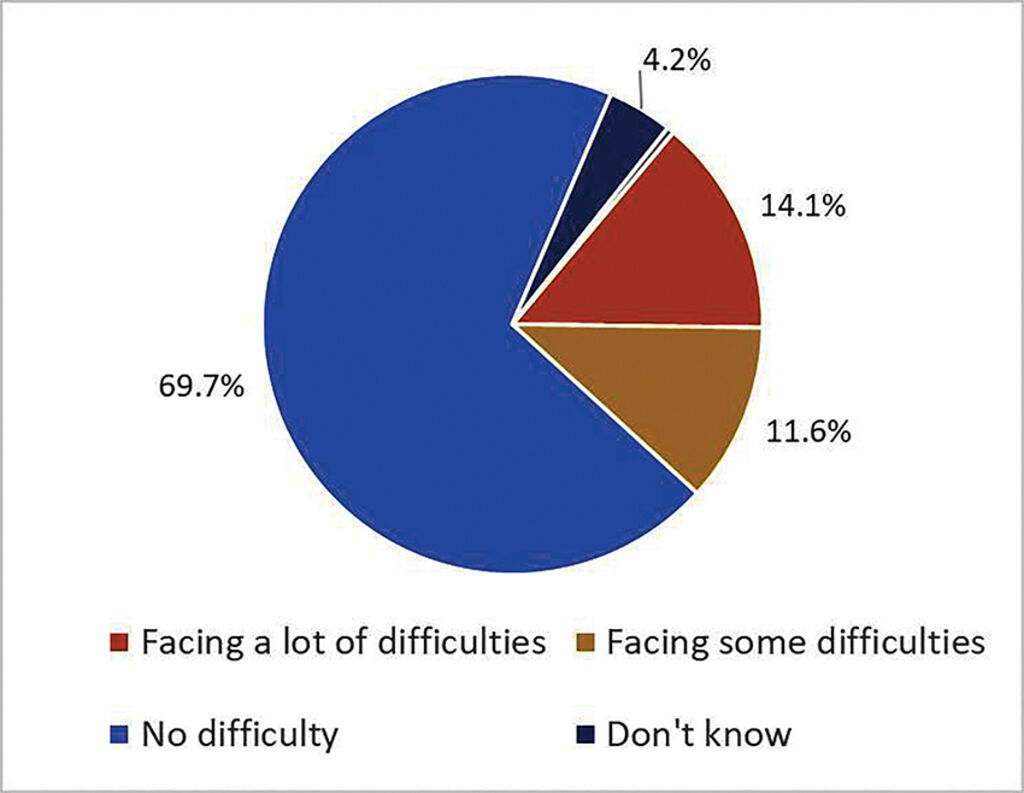
The reality of traveling in Vietnam as a person with a disability necessitates a frank acknowledgement of existing challenges. While improvements are underway, many obstacles remain, particularly outside major urban centers. Ignoring these challenges could lead to significant difficulties and disappointment. A comprehensive understanding before you travel is vital to a more positive experience.
Infrastructural Deficiencies: A Common Hurdle
Vietnam’s infrastructure, while rapidly developing, still lags in many areas regarding accessibility. Sidewalks, often a lifeline for wheelchair users and those with limited mobility, are frequently narrow, uneven, cracked, or non-existent, especially in older neighborhoods and smaller towns. Curbs and road crossings often lack ramps, making navigation precarious. Many historic sites, temples, and traditional buildings were not designed with accessibility in mind and may lack ramps or elevators, potentially excluding many visitors.
Navigating Public Transportation: A Complex Issue
Public transport, comprising buses, trains and taxis, frequently presents significant challenges. Wheelchair access on buses and trains can be inconsistent or altogether unavailable. Crowded conditions on public transport can make maneuverability difficult even when designated wheelchair spaces are present. Furthermore, a lack of real-time information on accessible transit options can make planning routes more complex than in many other countries.
Variability in Accessibility Standards: A Lack of Uniformity
There isn’t a consistent and universally enforced accessibility standard across Vietnam. This inconsistency means that the level of accessibility can vary widely between different establishments and locations. A hotel that advertises itself as “accessible” might not meet the same criteria as another hotel with the same ranking in another city. This variability necessitates detailed research and direct communication with hotels, transport providers, and tourist sites before your trip begins
Navigating Transportation: Accessible Options for Getting Around

Transportation is a critical aspect of any travel experience, and for disabled travelers, it can be the most challenging. Vietnam offers a range of transportation options, but careful planning and research are essential.
Private Car Hire: Flexibility and Accessibility
Hiring a private car or van with a driver provides arguably the best accessible transportation solution in Vietnam. You gain complete control over your itinerary and can choose routes that avoid obstacles. Ensure to clarify your accessibility needs (e.g., wheelchair ramp, enough space for a wheelchair) when booking and select a reputable company known for its reliable service with vehicles appropriately sized and equipped for your needs. Many drivers are also very willing and adaptive to the traveler’s needs.
Accessible Taxi Services: Emerging Options and Restrictions
In major cities, some taxi companies are beginning to offer ride-hailing apps with wheelchair accessible services. However, this is not universally available, and the reliability of these services can vary. It’s always wise to confirm accessibility features directly with the taxi company, and be prepared having an alternative in mind.
Public Transportation: Challenges and Potential Solutions
Using public transportation in Vietnam can be extremely difficult or impossible for many disabled travellers, although the situation is beginning to change. Buses might not have ramps, trains may lack appropriate facilities, and crowded conditions make maneuvering tricky. Thorough research is crucial, focusing on specific routes and times to mitigate some of the likely issues. Although this is frequently an unsuitable method it should not be disregarded completely.
Accommodation: Finding Disabled-Friendly Hotels and Guesthouses
Choosing your accommodation is a significant step in planning an accessible trip. The availability of disabled-friendly hotels and guesthouses is improving in Vietnam, but it’s essential to conduct thorough research and confirm accessibility features directly.
Major Cities: A Wider Range of Accessible Options
Larger cities such as Hanoi, Ho Chi Minh City, Da Nang and Hoi An generally offer a more diverse selection of hotels and guesthouses with accessibility features. However, don’t assume every hotel listed as “accessible” truly is.
Direct Communication: Confirming Accessibility Features
Before making a booking, directly contact your potential accommodation. Request detailed information about accessibility, such as the existence of ramps, elevators, the size of doorways and bathrooms, adaptive bathroom facilities, the width of corridors and the availability of roll-in showers. If possible, arrange for photos or videos of the accessible rooms.
Review Platforms: Seeking Feedback from Disabled Travelers
While reviews on mainstream platforms can be helpful (look at reviews mentioning specific accessibility needs), it’s beneficial to consult travel blogs and online forums specifically catering to disabled travelers. These communities often provide detailed and reliable feedback that can go beyond the standard reviews.
Sightseeing and Activities: Accessible Attractions and Tours
Exploring Vietnam’s countless attractions requires careful planning to ensure a smooth and enjoyable experience for disabled travelers. While not every site is fully accessible, many offer ways to adapt and enjoy the experience.
Major Tourist Sites: Varying Levels of Accessibility
Many of Vietnam’s most famous tourist sites are making efforts towards increasing accessibility. Some have installed ramps or adapted entrances, while others still present challenges. Researching each destination in detail is essential before your visit. Look for official websites to check for accessibility information or contact their customer service directly.
Private Guided Tours: Customized Experiences
Opting for a private guided tour allows for customization and flexibility. A good tour operator will be able to adapt the itinerary to your accessibility needs, providing alternative routes or transportation, and ensuring you enjoy the experience at your own pace. Communicating your needs clearly beforehand is very important.
Alternative Activities: Avoiding Inaccessible Sites
Instead of attempting to visit every single location regardless of accessibility, prioritise those attractions that are more suitable for your particular needs. Don’t be afraid to adapt your itinerary to include options that better support a comfortable and enjoyable experience. Concentrate on sites that may require less physical effort and have a good level of accessible options.
Essential Resources: Support Organizations and Travel Agencies
Navigating the unique challenges of accessible travel can be simplified with knowledge of specialist organizations and service providers who can assist in planning your trip.
Disability-Specific Travel Agencies: Expertise and Support
Specialized travel agencies provide invaluable support to disabled travelers. These agencies possess expert knowledge of accessible accommodations, transportation options, and activities. It reduces the time and effort spent on research, allowing focus on the specifics that need to be known about your own personal needs.
Local Support Networks: Assistance During the Trip
Exploring the resources within the country can be beneficial too. In major cities such as Hanoi and Ho Chi Minh City, there are often smaller organisations dedicated to supporting tourists. While they may not be specifically focused on disabilities, the information they have available might improve your travels significantly.
Online Forums and Communities: Gathering Information and Advice
Connecting with other disabled travelers through online forums and social media groups is an excellent way to gather firsthand accounts of experiences in Vietnam. Personal perspectives provide invaluable local knowledge and insights that may be missing from the typical travel guides and brochures.
Personal Experiences: Stories from Disabled Travelers in Vietnam
Hearing firsthand accounts of disabled travelers who have explored Vietnam offers a powerful and realistic insight. These narratives can reveal both the challenges encountered and the triumphs achieved, enriching the knowledge and support needed when making your own travel plans.
Overcoming Challenges with Resourcefulness
Many disabled travellers recount how creative problem-solving and a flexible approach were pivotal to their journey. Unexpected obstacles often necessitate improvisation and a willingness to adapt, showcasing how resilience can turn challenges into memorable moments.
Highlighting Unexpected Discoveries
Stories often showcase Vietnam in its full splendor; a unique culture often provides opportunities to discover accessible experiences, despite lacking perfect infrastructural infrastructure. These often overlooked encounters are inspiring and show the positivity that can be gained.
Advocating for Inclusion
These stories underscore how vital it is for disabled travellers to advocate for their needs, and highlight how the willingness to respectfully share concerns, contribute to a positive change in the accessibility provision of the destination.
Practical Tips: Planning an Accessible Trip to Vietnam
Effective planning is crucial for a successful and enjoyable accessible trip to Vietnam. The following practical tips will allow you to take total control of your trip.
Pre-Trip Research: Thorough Planning is Key
Before anything else you must plan in as much detail as possible. This should include identifying accessible accommodations, determining modes of transportation, and researching attractions with accessibility features. Contact hotels, tour operators, and transportation providers directly to confirm accessibility details.
Packing Essentials: Considering Specific Needs
Packing appropriately is essential too. Consider any mobility aids, medications, and adaptive equipment needed. Pack extra batteries or chargers for any electronic devices essential for communication or navigation. Travel insurance should always be considered too.
Communication: Language and Assistance
Learning basic Vietnamese phrases will enhance your interactions and ability to communicate needs. Consider employing a translator for more complex conversations.
Future of Accessibility: Improvements and Initiatives in Vietnam
While Vietnam faces some accessibility challenges, a growing emphasis on inclusivity is fuelling positive developments. Government regulations, NGO efforts, and consumer demand are driving progress.
Government Initiatives: Policy Changes and Investments
The government is increasingly recognizing the importance of accessibility and is creating new legislation, investing in infrastructural improvements, and striving to raise awareness through educational campaigns.
NGO Involvement: Raising Awareness and Providing Support
Various non-governmental organizations are actively involved promoting accessibility in Vietnam, providing support to disabled travelers, and advocating for increased inclusivity.
Tourism Industry Response: Improvements in Existing and New Establishments
The tourist industry is becoming more conscious of the requirements and needs of tourists with disabilities. Many new hotels and resorts are increasingly incorporating more accessible features.
Conclusion: Is Vietnam Truly Accessible? A Balanced Perspective
Is Vietnam accessible for disabled travelers? The answer, as we’ve explored, is multifaceted. While significant challenges remain, particularly in infrastructure and service consistency, genuine progress is underway. With meticulous planning, realistic expectations, a resourceful approach, and the warmth of the Vietnamese people often proving to be an unanticipated asset, a rewarding and memorable trip is possible. Vietnam continues on its journey to becoming increasingly inclusive; this progress however should be approached with a frank and balanced view of the current realities.
Contact Us – Accessible Vietnam Travel Fast Visa Services
Planning a trip to Vietnam and need a hassle-free visa? Looking for accessible travel options? VNDisability Travel is here to make your journey smooth, secure, and enjoyable!
We specialize in fast, safe, and cost-effective visa services for travelers with disabilities, ensuring that your entry into Vietnam is as seamless as your travel experience.
📍 Contact Information
📞 Hotline: (+84) 968 18 77 18
📧 Email: support@visavietnamonline.org
🌐 Website: https://visavietnamonline.org
📍 Office Address: Hanoi, Vietnam
📩 Get Your Vietnam Visa with Ease!
We understand that travelers with disabilities may face unique challenges. Our visa service is designed to be quick, reliable, and fully accessible. Simply fill out the form below, and we’ll handle the rest.
🔹 Apply for your Vietnam visa now: Apply Online
🔹 WhatsApp Support: (+84) 968 18 77 18