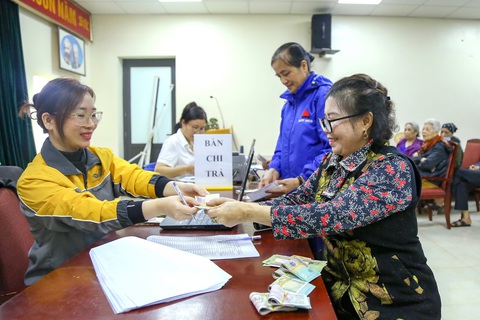
In a world where the ideal retirement often seems synonymous with leisure, relaxation, and family connections, 71-year-old Tôn Tiểu Lý from Guangdong, China, is carving her own path. After years of sacrificing for her children and caring for her grandchildren, she now seeks a peaceful and self-sufficient retirement, unmarred by familial obligations.
Table of Contents
A Changed Perspective on Family Living
Following the death of her husband a decade ago, Tôn initially moved in with her son to help take care of her grandchildren. While she cherished the time spent with her family, after seven years, she recognized that living with her children was not the best choice for her. The conflicting lifestyles and different values between her and her son’s family resulted in increased expenditures and less personal comfort.
Tôn retired early and now receives a monthly pension of 2,500 RMB (approximately 9.2 million VND), which adequately covers her basic needs such as food, clothing, utilities, and transportation. However, she finds this amount insufficient to hire help or manage unexpected medical expenses.
Alternatives to Traditional Retirement Homes

When some friends suggested that Tôn consider moving into a nursing home, she expressed reservations. Her concerns included feelings of loneliness and the bleakness of being surrounded by frail elderly individuals, which could lead to potential conflicts.
To Tôn, retirement symbolizes much more than merely stepping away from work; it signifies an opportunity to embrace life, care for oneself, and nurture meaningful relationships.
The Value of Companionship in Retirement
Tôn, an extroverted individual with a penchant for socializing, recently reconnected with a high school friend. As they shared their fears and aspirations about navigating aging without close family support, the friend proposed moving in with Tôn.
The duo began living together, sharing household chores, cooking, and enjoying each other’s company. The arrangement not only reduced their living expenses but also enhanced their quality of life. Over the last three years, they have managed to maintain a harmonious relationship without any conflicts.
Key to their successful cohabitation has been mutual understanding, respect for each other’s privacy, and patience. Their partnership has allowed Tôn to flourish; she has gained weight, maintained a positive outlook, and engaged in activities like travel and square dancing.
A Glimpse into Happy Aging
Tôn’s story serves as a poignant reminder that aging does not have to be synonymous with loneliness or despair. Instead, finding a kindred spirit—a person who shares similar views and lifestyles—can lead to a joyful and fulfilling later life.
As Tôn reflects on her journey, she underscores that retirement is not merely about ceasing work; it is an invitation to embrace a new chapter full of potential, enabling individuals to care for themselves and cultivate significant relationships.
In a society where traditional views on aging often glorify familial responsibilities, Tôn Tiểu Lý embodies a growing trend toward seeking independence and companionship. Her narrative illustrates the power of choice in retirement, emphasizing that happiness in later years is achievable when one seeks a life filled with freedom and supportive connections.