As retirement looms, many anticipate an abundance of time to devote to family, particularly with their children and grandchildren. Yet, contrary to these hopeful expectations, tensions often arise in families, primarily due to well-meaning but intrusive concerns from grandparents. Understanding the delicate balance between involvement and interference is crucial for nurturing familial harmony.
Table of Contents
The Changing Dynamics of Family Roles
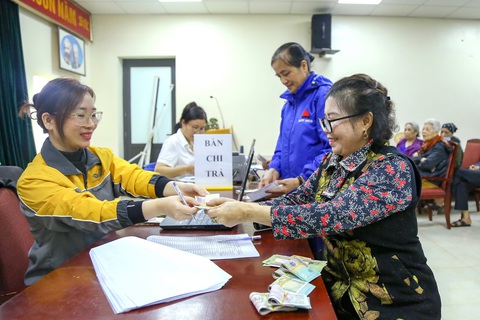
Retirement brings about a significant shift in family roles. Parents find themselves transitioning into the roles of grandparents, while their children navigate the challenges of marriage and parenthood. Age-old habits that may once have seemed innocuous can unexpectedly jeopardize familial bonds. With evolving family dynamics, it is incumbent upon retired parents to reflect on their behaviors and recognize what actions may be best left unexecuted.
1. Resisting the Urge to Overindulge Grandchildren
With newfound time at their disposal, many retirees feel compelled to spoil their grandchildren. While the intention may be rooted in love, excessive pampering can foster stubbornness among children, undermining their ability to respect boundaries and cooperate with their parents.
A common pitfall arises when grandparents side with grandchildren during disciplinary moments, inadvertently providing a refuge for the young ones from parental authority. Such intervention can obstruct a child’s understanding of right and wrong and instill a sense of dependency that manifests as entitlement.
To preserve familial unity, grandparents should respect the parenting philosophies of their children and primarily avoid meddling in childcare methods. Recognizing the unique values each generation brings to child-rearing is essential for fostering a peaceful home environment.
2. Avoiding Intrusiveness in Children’s Marriages
Parents often wrestle with letting go of their adult children, viewing them as “eternal babies.” This mindset can lead to overzealous scrutiny of their children’s marriages, driving a wedge between families.
Modern young couples strive for collaborative partnerships, sharing responsibilities associated with work, child-rearing, and household management. However, some parents struggle to accept these dynamics, leading them to question or criticize traditional gender roles or household arrangements.
Such interference might sow discord between a daughter-in-law and mother-in-law, creating an uncomfortable atmosphere within the family. Respecting a couple’s space and autonomy should be seen as a vital element in supporting their marital relationship.
3. Shunning Shielding Behavior
After stepping away from work, some individuals develop an inclination to shield their children from hardship, believing that protecting them from wrongdoings will reduce their suffering. Unfortunately, this protective instinct can cultivate a mindset that fails to distinguish between right and wrong, resulting in ongoing patterns of irresponsibility.
Retired parents know that experiencing setbacks is crucial for growth. Denying children the opportunity to navigate their own failures undermines their development, leaving them ill-equipped to face life’s trials independently. Emotional resilience stems from personal experience with adversity; thus, allowing children to learn from their missteps is paramount for cultivating self-sufficiency.
Embracing the Art of Strategic Silence

Psychological experts often underline the importance of a principle they describe as the “golden rule” for multi-generational family dynamics: knowing when to engage and when to step back. While seasoned parents have acquired insights throughout their lives, younger generations might approach familiar situations with feelings differing from their own.
The weight of expectation can create a strain on retirees, pushing them to adjust their beliefs while learning to trust their children’s abilities. Practicing patience and restraint in confrontations can foster an environment where children feel more comfortable making decisions without outside pressure.
For example, a father might feel anger rising in a tense moment, with the prospect of confronting his child’s behaviors; however, a mother might intervene, suggesting they step away from the situation calmly, exemplifying a more composed response. This “waiting for the calm” approach serves not only as wisdom of age but also as a guide to convey trust in the children’s decision-making.
Conclusion

As grandparents embrace their new roles in family life, understanding the nuances of engagement is essential for nurturing peace and pacifying tensions within households. Through the practice of reflection, restraint, and respect for the autonomy of the younger generations, retirees can contribute to the well-being of their families while enjoying a fuller, more satisfying retirement.