Da Lat – A Perfect Destination for Nature-Loving Disabled Travelers. This statement encapsulates the essence of this article, which delves into the unique appeal of Da Lat, Vietnam, for individuals with disabilities who seek a tranquil and nature-rich escape. While Vietnam’s accessibility infrastructure is still developing, Da Lat, with its stunning natural beauty and relatively manageable terrain, offers a surprisingly rewarding experience for those with mobility challenges, sensory differences, or other disabilities, provided careful planning and awareness are employed. This article will act as a comprehensive guide, providing practical tips, insightful recommendations, and crucial considerations for planning an accessible and memorable journey to the “City of Eternal Spring.”
Table of Contents
Da Lat: An Accessible Paradise for Nature-Loving Travelers with Disabilities

Da Lat’s reputation precedes it: a city nestled amongst breathtaking landscapes, offering a welcome respite from the often intense heat and humidity of other Vietnamese cities. But beyond its picturesque beauty, lies a burgeoning potential for inclusive tourism. While challenges exist, many aspects of this charming city are surprisingly accessible to disabled travelers, especially those seeking the tranquility of its natural wonders. With foresight and planning, a truly unforgettable experience awaits.
Navigating City Streets: Challenges and Solutions
Navigating Da Lat’s streets can present challenges for wheelchair users due to uneven pavements, sporadic curb cuts, and busy traffic. However, these obstacles are not insurmountable. Pre-booking Grab rides or private transportation is recommended, as taxis may not always be adapted. When venturing out on foot, choose well-lit and less congested areas, and be aware of potential hazards like sudden changes in elevation on pavements. Using a companion familiar with the local environment can also be incredibly helpful.
The increasing popularity of Da Lat as a tourist destination is steadily leading to infrastructure improvements. Several areas, especially near popular attractions, are undergoing pavement renovations to make them smoother. While complete accessibility remains a work in progress, persistent advocacy and responsible tourism are driving positive changes. Staying informed about ongoing infrastructure projects can help disabled travelers optimize their itineraries.
Utilizing apps like Google Maps can be useful but are not a perfect solution. Always double-check your route and be prepared for unexpected obstacles. Consider sharing your itinerary with local contacts or your hotel for guidance and assistance.
Accessible Accommodation: Ensuring a Comfortable Stay
Choosing the right accommodation can be the most significant step toward a successful trip. Look for hotels and guesthouses with explicitly stated accessibility features—including ramp access, elevators, adapted bathrooms with grab bars, and spacious rooms allowing easy manoeuvrability for wheelchairs or other mobility aids. Do not rely solely on online descriptions; contact the establishment directly to inquire about specifics and verify their suitability for your needs.
International hotel chains often have more established accessibility standards, offering greater assurance. Consider leaving detailed information about your accessibility needs when making reservations. This enables the hotel to prepare appropriately, perhaps by allocating a room on a lower floor to minimize reliance on elevators. Remember to take photos of your room when you arrive to highlight any problems that exist.
Reading independent reviews from other disabled travelers can prove invaluable. Look for comments specifically addressing accessibility issues which often provide a more genuine and detailed assessment than official hotel descriptions.
Embracing Local Culture: Inclusivity and Understanding
Exploring the culture of Da Lat is a vital part of any visit, but accessibility within certain cultural aspects needs to be considered. While many tourist sites are improving their accessibility, some aspects, such as participating in traditional markets, pose more significant challenges due to overcrowding or uneven terrain. Communicating with local businesses and tour operators well in advance allows them to prepare for your arrival.
Understanding and respecting local customs is important. The local community is increasingly aware of the need for inclusive tourism. It’s worth asking your hotel or tour guide for recommendations on culturally immersive experiences that better suit your accessibility requirements. This collaborative spirit enhances participation and deepens your understanding of Da Lat’s vibrancy.
Learning a few basic Vietnamese phrases can greatly improve communication and interactions within these cultural contexts. This simple gesture is mutually beneficial, forging a connection with the local people and fostering better mutual understanding.
Embracing Nature: How Da Lat Caters to Disabled Travelers Seeking Tranquility
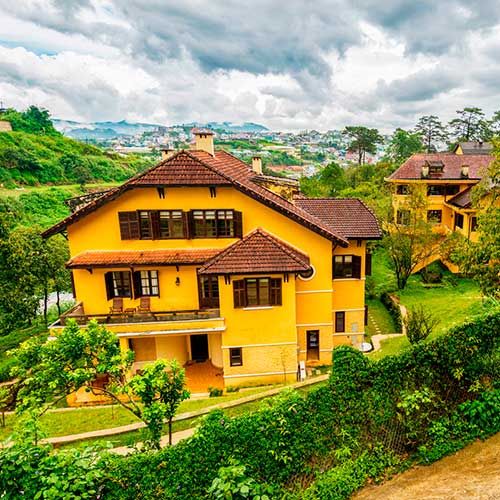
Da Lat’s natural beauty is its biggest draw. The rolling hills, serene lakes, and lush forests create an atmosphere of tranquility, particularly appealing to those seeking respite and relaxation. However, accessing this beauty requires careful planning to navigate the terrain effectively.
Exploring Xuan Huong Lake: A Wheelchair-Friendly Promenade
Xuan Huong Lake is an iconic Da Lat landmark. Its paved promenade encircling the lake provides a relatively smooth and accessible pathway suitable for wheelchair users and those with mobility impairments. The promenade offers breathtaking views of the lake and the city skyline, making it an idyllic spot for a gentle stroll. This relative accessibility makes it an easy and enjoyable activity for many. Note: While the promenade itself is generally accessible, access to certain parts of the lakeside might have some challenges.
Renting a swan boat on Xuan Huong Lake is a popular activity. However, boarding a swan boat independently might present difficulties for wheelchair users or those with limited mobility. Pre-arranging assistance with the boat rental operator is recommended to ensure a smooth and enjoyable experience. Consider the potential for transferring from a wheelchair into a swan boat and whether you’ll require help.
Remember to check weather conditions before going – the paths might be slippery when wet, adding another layer to planning your visit.
The Valley of Love: A Scenic Walk with Considerations
Officially known as Thung Lũng Tình Yêu, the Valley of Love offers stunning panoramic views. While not flawlessly smooth, the pathways are relatively manageable, allowing wheelchair users to explore sections of the valley. Nonetheless, some steeper inclines along the routes pose challenges and might require assistance.
To enjoy the Valley of Love fully, pre-assess your mobility levels and plan carefully. Knowing your capabilities and stamina is crucial for determining which sections are feasible. Choosing a less strenuous time of day, perhaps earlier in the morning or during cooler hours, would enhance the experience. A companion can provide essential support and assistance across parts of the area which may be unexpectedly challenging.
Be aware the term “accessible” can be loosely interpreted. It is vital always to clarify the exact accessibility on the ground at the location prior to your visit.
Datanla Waterfall: Cable Car Accessibility and Scenic Views
Reaching the base of the Datanla Waterfall independently can be challenging due to the steep drop. However, the modern cable car offers an accessible way to descend to a viewing platform, providing stunning views of the falls. This solution provides a fantastic opportunity to enjoy what may otherwise be inaccessible due to physical constraints. There will be some stairs involved even with the cable car, so planning ahead is essential.
Consider the potential waiting times in the queue. The cable car is very popular with a lot of tourists so plan accordingly. During peak tourist periods, queuing times may be extended or even involve some waiting within the lines itself. If you need assistance getting on or off the cable car, let the staff know in advance. Having a companion to help manage this will be beneficial should you need to get on and off the railcar.
Remember to confirm accessibility directly with the management of the Datanla Waterfall. Conditions can change. Double-checking for any temporary changes may impact your itinerary.
Accessible Adventures: Exploring Da Lat’s Natural Beauty with Disability in Mind
Da Lat’s natural attractions extend beyond the major tourist hotspots. With careful planning, many other beautiful spots can be embraced.
Flower Gardens: A Riot of Colour and Accessible Pathways
Da Lat’s renowned flower gardens offer a visually stunning experience. While accessibility varies between gardens, many feature paved pathways and ramps that allow access for individuals with mobility impairments. These gardens showcase the diverse and vibrant flora of the region.
Choose gardens based on their accessibility features. Check online reviews from other disabled visitors who have first-hand experience with the given terrain. Checking the website, or contacting the gardens directly ahead of your visit, will ensure you have the most up-to-date information on their current accessibility features. Making a phone call may seem like an excessive or cumbersome step, but it can save you a lot of potential frustration in the long run.
Many gardens also offer shaded areas for resting, providing essential respite for those who tire easily.
Strawberry Farms: A Sensory Delight and Accessible Picking
Da Lat’s cool climate allows for the cultivation of delicious strawberries, and visiting a local strawberry farm is a delightful activity. Many farms feature raised beds, simplifying the picking process for people with limited mobility. The raised beds improve access for almost everyone which leads to enhanced inclusion for disabled individuals.
Choosing a farm actively promoting accessible activities will enhance your experience. The best way to ascertain accessibility is often to call ahead and discuss accessibility features and any support they might offer which would make your visit easier.
Look for smaller, family-run farms as they often demonstrate greater flexibility in catering to individual needs, and a willingness to adjust to ensure a comfortable visit.
Hiking Trails: Adapting Your Expectations and Finding Alternatives
While extensive hiking trails aren’t necessarily universally accessible, Da Lat offers alternatives. Moderate hikes around the city edges may be suitable, depending on an individual’s mobility capabilities and fitness levels. Focus on gentler, shorter trails, and take frequent breaks to prevent fatigue.
Consider short nature walks around the city, which may often incorporate paved paths. These are less strenuous than the lengthier mountain walking trails but still offer engaging experiences with the natural environment. Prioritizing manageable shorter trails over lengthy hiking routes can help make the most of the time available.
Always remember to prioritize safety and physical capabilities.
Beyond Barriers: Navigating Da Lat’s Landscape as a Disabled Nature Enthusiast
Navigating Da Lat requires proactive planning and a realistic assessment of personal abilities.
Transportation Options: Private Transfers, Grab, and Local Buses
Finding accessible transportation in Da Lat requires careful planning. While Grab (Southeast Asia’s ride-hailing app) offers convenience, wheelchair-accessible vehicles are rare. Pre-booking a private transfer with a reputable tour operator specializing in accessible tourism is particularly recommended since this planning ensures a reliable and comfortable ride.
Consider hiring a private driver for the duration of your stay. This offers flexibility and reduces reliance on public transport. While cost is a factor, the peace of mind and convenience offer great value, particularly if you’re sensitive to time pressures or need assistance.
For those with less mobility impairment, local buses are an affordable choice, but accessibility varies considerably. Research specific routes to identify those with easier boarding.
Communicating Needs: Clear and Proactive Communication
Clear communication is key. When booking accommodations or tours, explicitly state your accessibility needs, including details about your mobility aids and any assistance you require. This ensures the vendor can make appropriate arrangements. Make sure your communications are specific and clear. Ambiguity only complicates matter. You may even want to email a picture of any necessary mobility aids.
Carrying a simple card outlining your accessibility needs (in both English and Vietnamese if possible) can assist in communication with drivers or locals who might not understand other methods of communicating. This can aid in overcoming communication barriers and facilitate assistance.
Packing Strategically: Essential Items for Accessibility
Packing efficiently for an accessible trip is crucial. Pack lightweight attire that’s comfortable and easily adjustable, and don’t forget any essential medications or mobility aids. Having an extra set of batteries or backup power for your mobility aid is good practice.
Consider your personal care items and ensure you pack sufficient quantities to avoid needing to locate specialized supplies while in Da Lat. Having a small portable first-aid kit can help address minor injuries.
A comfortable backpack or carrier is useful for carrying both essentials and extras that might be encountered throughout the day.
Da Lat: A Case Study in Inclusive Tourism for Travelers with Disabilities
Da Lat’s journey toward inclusive tourism highlights both progress and the ongoing need for improvement.
Accessibility Gaps: Areas Requiring Further Development
While Da Lat displays promise, infrastructure gaps remain. Uneven pavements, a lack of curb cuts in many areas, and limited wheelchair-accessible public transport are persistent challenges. These gaps underscore the need for ongoing investment in accessible infrastructure.
Advocating for improved accessibility should be a collective effort. Sharing experiences, both positive and negative, via online reviews and with local tourism boards encourages better accommodation and service. This encourages responsible tourism and promotes proactive improvements.
Raising awareness of the potential of inclusive tourism not only benefits disabled travellers, but also stimulates the local economy and generates goodwill.
Success Stories: Examples of Accessible Tourism Initiatives
Despite challenges, success stories emerge. Certain hotels are actively adapting, and some tour operators are developing accessible itineraries. These initiatives demonstrate the potential for inclusive tourism to thrive in Da Lat.
Highlighting exemplary businesses and services encourages others to follow suit. Sharing positive experiences positively benefits other disabled travellers and inspires better accommodation provision.
This mutually beneficial cycle stimulates economic growth by catering to a wider segment of tourists.
The Future of Accessible Tourism in Da Lat
The future of accessible tourism in Da Lat hangs on collaborative efforts among local authorities, businesses, and disabled travelers. By prioritizing accessibility improvements and promoting inclusive practices, Da Lat can become a benchmark for accessible tourism in Vietnam and beyond.
Continued investment in accessible infrastructure, ongoing training for tourism staff, and widespread information campaigns are essential steps in building this inclusion. Raising awareness, and gathering feedback and insights from disabled travelers, empowers the ongoing development of accessible tourism.
This collaborative approach can turn Da Lat into a true model for inclusive destinations, attracting visitors from all walks of life.
Planning Your Trip: Essential Accessibility Considerations for Disabled Travelers in Da Lat
Thorough planning is crucial for a successful trip.
Pre-Booking: Accommodation, Transportation, and Activities
Booking accommodation, transportation, and tours well in advance is crucial, especially during peak seasons. This secures availability and allows you to confirm accessibility arrangements with providers. This planning helps mitigate potential setbacks in your journey.
Confirm the availability of accessible rooms at the hotel, and the ability of transportation providers to meet your mobility needs. Many accessibility features, especially with tours are not shown on their websites so direct contact is necessary.
Plan for alternative routes or activities in the event of unforeseen challenges, such as weather conditions or unexpected issues at a specific location.
Essential Documentation: Medical Information and Contact Details
Carrying essential medical information, medication, and emergency contact details is vital. It may also be beneficial to have a translated list of your medications, just in case. Having clear details can assist medical professionals if needed.
Ensure adequate travel insurance covers medical emergencies and evacuation if needed. Knowing what services are covered and how they might be contacted is vital.
Consider having a copy of your itinerary with explicit details about destinations and contact information for your transportation and hotel and tours.
Researching Resources: Online Forums and Disability Travel Communities
Leverage online forums and disability travel communities for firsthand accounts and recommendations from other disabled travelers. This provides invaluable insights and practical tips for navigating Da Lat. Look for specific communities that contain user reviews which focus explicitly on accessibility.
Sharing your experiences after your trip can be beneficial to future disabled travelers who will then have other insights they can use to plan their trip. Contributing your insights fosters more open communications and inclusive planning.
The Charm of Da Lat: Why It’s an Ideal Destination for Nature-Oriented Disabled Tourists
Da Lat’s unique qualities make it an attractive destination.
Climate and Terrain: A Gentle Environment
Da Lat’s cool, temperate climate provides respite from the harsh heat of other Vietnamese regions. The rolling hills and relatively manageable terrain offer more comfortable exploration compared to steeper, more rugged areas. This natural environment can be very calming and relaxing for tourists.
The lower altitudes, gentler slopes and more moderate temperatures and humidity provide more comfortable conditions for many people. These environmental features are a significant positive feature and allow greater potential for inclusivity.
Tranquility and Relaxation: A Peaceful Escape
The city exudes an atmosphere of tranquility, providing a welcome escape for those seeking a peaceful vacation and rest. This slower pace and reduced level of urban noise can foster calm and rejuvenation. In addition to the physical aspects, it’s a calming environment.
This sense of peace and tranquility supports relaxed exploration at your pace avoiding any possible feeling of being rushed. This provides a more comfortable setting for many disabled tourists.
Cultural Experiences: Balancing Rich Culture and Accessibility
Da Lat’s cultural offerings blend with natural surroundings, providing a unique experience. While challenges exist, actively seeking out accessible cultural sites and events with prior communication can yield rewarding interactions. It’s vital to plan with the right expectations and be adaptable.
There is no need to avoid cultural experiences while planning your trip. With a little foresight and advance planning you will discover much to enjoy.
Wheelchair-Friendly Wonders: Discovering Da Lat’s Accessible Natural Attractions
Beyond the major sights, Da Lat offers accessible natural gems.
Hidden Parks and Gardens: Discovering Tranquil Retreats
Many smaller, lesser-known parks and gardens offer surprising levels of accessibility. Researching and exploring these hidden gems reveals tranquil escapes away from the bustling city centre. Many are overlooked because they are not heavily touristed.
These smaller locations often receive much less traffic and allow for a more tranquil visit. In addition, they are more likely to provide a unique and authentic experience.
Using local guidebook and asking hotel staff for recommendations can help you find these quieter spots.
Lakeside Walks Beyond Xuan Huong: Exploring Alternative Routes
While Xuan Huong Lake is popular most of the area is relatively accessible, other lakes and waterways offer similar tranquility with potentially even smoother pathways. Discovering these less-trodden paths adds diversity to your sightseeing.
This exploratory approach adds unexpected variety, and can also offer scenic views in a more private and more relaxed atmosphere.
Asking local people for recommendations will help you find quieter spots off the beaten track.
Scenic Drives and Panoramic Views: Accessible Exploration
Driving or taking a private taxi in Da Lat, on well maintained routes, provides an easy way to enjoy the scenic landscape, especially if using a private driver. This provides access to stunning panoramic views without the physical exertion of walking.
The experience provides a slower pace of sightseeing allowing time to enjoy the many stunning views from various altitudes which may contribute to a more rejuvenating experience for many disabled travelers.
This is an easier option to explore than walking and provides a comfortable and calming experience.
Da Lat’s Eco-Tourism: Empowering Disabled Travelers to Connect with Nature
Da Lat’s eco-tourism sector has room to grow in terms of inclusivity.
Promoting Accessible Eco-Tours: A Growing Opportunity
Partnering with eco-tour operators who are aware of and responsive to the needs of disabled travelers is vital. By actively promoting accessible eco-tours, Da Lat can attract a much wider range of visitors.
Creating accessible trails and adding features such as ramps, wider paths and rest stops is vital for expanding the appeal of eco-tourism for disabled visitors.
Marketing such accessible tours, and making their inclusion and features obvious on hotel and tourist sites is key to attracting customers.
Nature Conservation and Inclusivity: A Synergistic Approach
By employing ethical and inclusive eco-tourism practices, Da Lat not only benefits disabled visitors, but also contributes to protecting the natural environment. This approach fosters positive change at all levels.
Eco-tourism by its very nature can be a calming experience and many disabled people prefer this form of travel. It is vital that it become as accessible to disabled people as possible.
Building accessible trails and providing appropriate support will help the many disabled people who long to become much more active participants in nature.
Sustainable Tourism and Accessibility: A Mutually Reinforcing Relationship
Sustainable tourism practices tend to prioritize environmental protection and conservation, which aligns closely with inclusive tourism’s focus on creating welcoming spaces for all. This is a crucial opportunity for Da Lat particularly.
Implementing this approach enhances experiences not just for physically disabled people but for all types of disabled people including those with cognitive, learning, mental and sensory impairments.
Integrating accessibility considerations into sustainable tourism provides multifaceted benefits creating lasting value for the entire community.
Recommendations and Resources: Making the Most of Your Accessible Nature Trip to Da Lat
Thorough preparation is essential for a satisfying trip.
Utilizing Online Resources: Accessible Travel Guides and Blogs
Invest time in online research. Explore accessible travel guides, blogs, and forums dedicated to disability travel. This provides invaluable insights from those with experience. These can help avoid unexpected challenges and highlight often unadvertised additional services and resources.
Many forums dedicated to travel have special sections with detailed advice tailored specifically for disabled tourists. These forums often provide first hand accounts of their experiences.
This research enables more robust planning and provides insights that might otherwise be missed.
Connecting with Local Experts: Tour Operators and Accessibility Advocates
Contact local tour operators specialising in accessible tourism. These can greatly benefit your trip. These operators are increasingly available and experienced at planning inclusive trips.
Communicate directly with local accessibility advocates or disability support organizations in Da Lat. These can provide insights into the day-to-day challenges and local solutions not always obvious to those making the trip for the first time.
These additional contacts can assist by providing details of additional resources you may need during your trip
Embracing Flexibility: Adapting to Unexpected Challenges
Be prepared for potential obstacles and incorporate flexibility into your itinerary. Unexpected situations can arise. Having a backup plan, and flexibility in planning, will help adapt any changes. It is important to realize that, even with the best planning, there will always be some flexibility needed, to avoid frustrations.
Conclusion
Da Lat – A Perfect Destination for Nature-Loving Disabled Travelers. This statement, while aspirational, rings increasingly true. Da Lat possesses the natural beauty and relatively amenable terrain to offer a truly rewarding experience for disabled tourists focused on nature. While challenges related to accessibility remain, proactive planning, clear communication, and collaboration between travelers, businesses, and local authorities can unlock the immense potential of inclusive tourism in this stunning Vietnamese city. By embracing a culture of accessibility, Da Lat can become a shining example of how natural beauty and inclusive tourism can thrive hand-in-hand, creating unforgettable memories for all.
Contact Us – Accessible Vietnam Travel Fast Visa Services
Planning a trip to Vietnam and need a hassle-free visa? Looking for accessible travel options? VNDisability Travel is here to make your journey smooth, secure, and enjoyable!
We specialize in fast, safe, and cost-effective visa services for travelers with disabilities, ensuring that your entry into Vietnam is as seamless as your travel experience.
📍 Contact Information
📞 Hotline: (+84) 968 18 77 18
📧 Email: support@visavietnamonline.org
🌐 Website: https://visavietnamonline.org
📍 Office Address: Hanoi, Vietnam
📩 Get Your Vietnam Visa with Ease!
We understand that travelers with disabilities may face unique challenges. Our visa service is designed to be quick, reliable, and fully accessible. Simply fill out the form below, and we’ll handle the rest.
🔹 Apply for your Vietnam visa now: Apply Online
🔹 WhatsApp Support: (+84) 968 18 77 18