


This article explores the burgeoning world of accessible tourism in Vietnam, focusing specifically on Top 5 Accessible Beaches in Vietnam with Ramps and Services. Vietnam’s stunning coastline, while breathtakingly beautiful, hasn’t always been easily accessible to everyone. However, a growing awareness of inclusive tourism is leading to significant improvements, with beaches actively incorporating ramps, adapted facilities, and supportive services to welcome visitors with disabilities. We’ll delve into five exemplary beaches, highlighting their accessibility features and exploring the broader context of inclusive travel in this rapidly developing Southeast Asian nation.
Table of Contents
Introduction: Unveiling Vietnam’s Accessible Coastal Gems
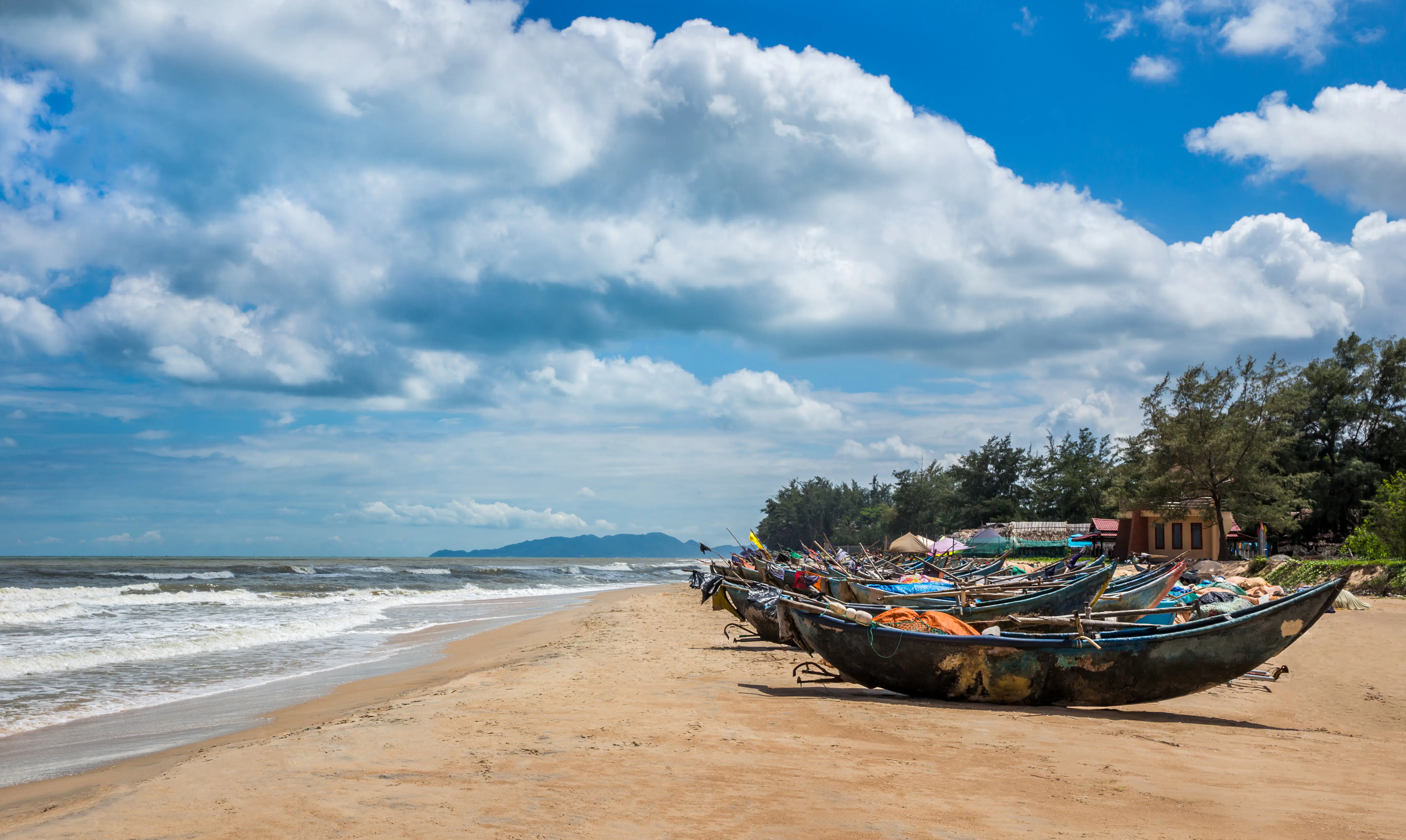
Vietnam, a land of vibrant culture, breathtaking landscapes, and delicious cuisine, also boasts a magnificent coastline stretching over 3,200 kilometers. This extensive shoreline is dotted with countless beaches, each offering its unique charm. For many, the image of a Vietnamese beach conjures up pictures of pristine white sand, turquoise waters, and swaying palm trees – a postcard-perfect paradise. But for individuals with disabilities, the reality can be vastly different. Navigating uneven terrain, inaccessible restrooms, and a lack of specialized equipment can often present insurmountable obstacles, preventing them from experiencing the joy and tranquility of the coastal environment. This is gradually changing as awareness grows and a commitment to inclusive tourism gathers momentum. This article aims to shine a light on the positive progress being made, showcasing five beaches that are actively striving to become more welcoming and accessible to all. Our focus will be on those beaches that demonstrate a genuine commitment to inclusivity through the provision of ramps, adapted facilities and supportive services designed for visitors with mobility impairments. This exploration aims not only to highlight these exemplary destinations but also to foster a deeper understanding of the importance of accessible tourism in Vietnam and beyond. We believe that travel should be a universally enriching experience, available to everyone regardless of physical limitations.
The Growing Importance of Accessible Tourism in Vietnam
The Vietnamese tourism sector is a critical part of the national economy, and its rapid growth necessitates a shift towards inclusivity. Simply put, making tourism accessible is not only a matter of social responsibility but also a strategic advantage. By investing in accessible infrastructure and services, Vietnam can broaden its appeal to a much wider range of travelers, significantly boosting economic growth. This includes attracting tourists from countries with stronger disability rights movements and a greater emphasis on accessible travel.
Challenges and Opportunities in Creating Inclusive Coastal Experiences
Creating truly accessible beaches requires addressing multiple interwoven challenges. These range from practical considerations like the uneven terrain of sand, the need for specialized equipment such as beach wheelchairs, and the adaptation of existing infrastructure, to more subtle aspects like staff training and the overall attitude towards inclusivity. However, the opportunities presented by inclusive tourism are immense. It is not simply about making accommodations for people with disabilities, but about enhancing the overall travel experience for everyone. Families with young children, older travelers, and even those with temporary injuries can benefit from improved accessibility. A beach accessible to wheelchair users also makes the beach better for strollers and those with other mobility devices. This leads to an overall enriched and more satisfying experience for everyone.
Beyond the Sand: A Holistic Approach to Accessible Tourism
The ultimate goal is not just to provide access to the beach itself but to create a comprehensive and enjoyable tourism experience for people with disabilities. This extends to accessible transportation to and from the beaches, available and affordable accessible accommodation options, accessible restaurants and shops, and readily available information on accessible facilities. In short, it is about creating a welcome and inclusive environment where people with disabilities can participate fully in all aspects of tourism. This is an evolving process and requires the collaboration of many actors, including the government, tourism operators, individuals with disabilities, and disabled rights organizations.
Criteria for Accessibility: Defining Ramps Essential Beach Services
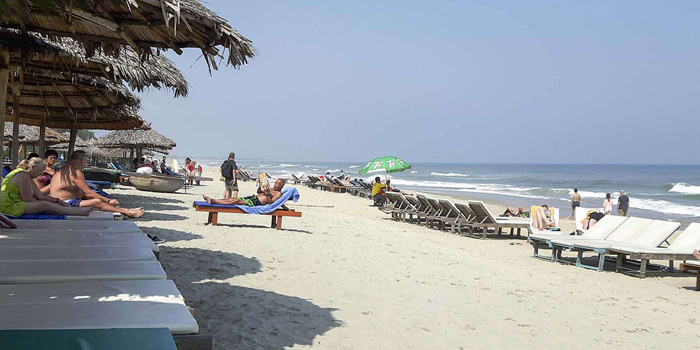
Before we embark on our journey to discover Vietnam’s top accessible beaches, it’s vital to establish clear criteria for what constitutes accessibility in this context. We’re not simply looking for beaches near accessibility improvements but beaches actively striving for a meaningful and inclusive experience.
Essential Physical Accessibility Features
The cornerstone of accessible beach design is the provision of ramps. These must be properly constructed and well-maintained, offering a smooth, gradual gradient that’s manageable for wheelchair users and individuals with other mobility aids. The ramps must connect readily to other accessible parts of the beach experience, including pathways, boardwalk, seating and bathroom facilities. Beyond ramps, the essential feature is also the provision of beach wheelchairs. These specialized wheelchairs, specifically designed for navigating sand, are crucial for providing full and unrestricted access to the beach environment itself.
Beyond Ramps: The Importance of Supportive Services
Ramps are instrumental and effective, but they are only one aspect of accessibility. Equally important is the provision of supportive services. This encompasses accessible restrooms with adequate space and grab bars, designated accessible parking areas, and staff who are trained to provide assistance when needed. Crucially, this should also extend to information dissemination. Clear and easily accessible information about accessibility features at a beach is essential for both planning and on-site use. This information should be readily available online, at tourist information centers and at the beach itself.
Attitudinal Accessibility: Creating a Welcoming Environment
Finally, effective accessibility extends beyond physical infrastructure and supportive services. It also includes attitudinal accessibility. This encompasses the willingness and ability of staff and locals to provide assistance and to treat all visitors with respect and dignity. It is about creating a welcoming environment where people with disabilities feel comfortable and valued. A beach might have flawless physical accessibility, but if the staff and locals are not welcoming or supportive, it will not be a truly accessible experience.
Beach #1: Nha Trang Beach – Notable Features Accessibility Highlights

Nha Trang, arguably Vietnam’s most famous beach destination, has embarked on a journey to improve its accessibility. While not completely ubiquitous, the progress made is significant.
Ramps and Accessible Pathways
The central part of Nha Trang Beach, especially near the popular promenade, reveals improvements in access for wheelchair users. Strategically located ramps connect the elevated promenade with the sandy shoreline allowing for easier maneuvering. This is an aspect that is greatly appreciated by users who can freely move from the promenade to the beach environment. However, the quality and consistency of these ramps can vary, and some may still present challenges for those with severe mobility limitations.
Designated Parking and Beach Wheelchair Availability
Designated, wider parking spaces near the accessible access points to the beach is a positive development. This alleviates the common problem of navigating crowded parking lots with mobility challenges. Some hotels and resorts in the area are also starting to offer beach wheelchairs for rent or use by their guests. However, the availability of these services is still inconsistent, and many hotels and vendors do not provide these services. Advance booking for beach wheelchairs is highly recommended.
Restrooms and Supportive Services
Accessibility of restroom facilities is variable along Nha Trang Beach. Newer facilities near the main tourist hubs often boast accessible toilets, grab bars, and wide doorways, creating a more inclusive experience for visitors with disabilities. The staff in many restaurants and cafes are typically willing to assist visitors with disabilities; though, it’s beneficial to contact establishments ahead of time to confirm their capabilities for providing assistance.
Beach #2: Danang Beach – Ramps, Wheelchair Access, and Amenities
Da Nang Beach, frequently recognized among the world’s most stunning beaches, stands out for its commitment to accessibility.
Smooth, Wide Boardwalks
One of the key accessibility features of Da Nang Beach is its long, expansive boardwalks that run parallel to the shoreline. These consistently smooth and well-maintained boardwalks offer an effortless pathway for users of wheelchairs and other mobility aids. The wide expanse of these boardwalks easily accommodates groups or those navigating with assistance. The vastness and smoothness of the boardwalks is a welcome change of pace from many other beaches.
Gradual Ramps and Accessible Restrooms
Carefully designed ramps offer a gradual transition from the elevated boardwalks to the sand below. This measured approach avoids steep inclines, ensuring easy access for most individuals using mobility devices. Several accessible restrooms spaced strategically along the boardwalk further enhance the beach’s inclusivity. These features are not only beneficial for users with mobility impairments but also provide convenience for families with young children or strollers.
Expanding Beach Wheelchair Rentals
Da Nang is seeing an rise in the availability of beach wheelchair rentals. Several local rental companies and hotels now provide this service. However, potential visitors are still advised to inquire in advance, particularly during peak season, to secure access to these essential aids. The city’s commitment to expanding beach wheelchair availability is a clear indication of its dedication to inclusive tourism.
Beach #3: Mui Ne Beach – Accessibility Considerations User Experience
Mui Ne Beach, known for its sand dunes and vibrant kitesurfing scene, presents a more mixed picture regarding accessibility.
Mixed Accessibility Features
While not explicitly designed for accessibility, certain parts of Mui Ne Beach do offer some level of accessibility. Some stretches of flat, hard-packed sand might be navigable by manual wheelchairs during quieter times. A number of hotels near the beach could possibly provide assistance. But, in general Mui Ne Beach needs additional accessibility improvements to be widely included.
Challenges and Opportunities
The biggest challenge in Mui Ne lies in the natural terrain. The varied sand conditions, combined with a less developed infrastructure focused on accessibility compared to Nha Trang or Da Nang, present obstacles. However, the opportunities exist to create designated accessible zones and to provide beach wheelchairs within the established tourism areas of Mui Ne. Mui Ne has a great potential to grow and can learn from other regions that are ahead in terms of accessibility.
User Feedback and Future Improvements
User feedback is crucial in evaluating the accessibility of any beach. Collecting feedback from individuals with disabilities can highlight specific challenges and inform future development choices. A dedicated focus on user experience, combined with a commitment to continuous improvement, is necessary to enhance the accessibility of Mui Ne Beach for all visitors. The community involvement of locals is important for this endeavor.
Beach #4: Phu Quoc Beach – Suitable for Families Individuals with Disabilities
Among the islands and beaches of Phu Quoc, Long Beach stands out as one providing somewhat better access than other parts of the island.
Relatively Flat Sand and Wide Beach
Although not explicitly designed for accessibility, Long Beach in Phu Quoc offers a relatively flat, long stretch of sand, making it somewhat easier to navigate with mobility aids compared to some more rugged beaches. The beach itself is also quite wide, providing more space to move around and avoid obstacles.
Accessibility Challenges and Potential Improvements
In spite of the relative flatness, the sand is still soft, which can be challenging for some wheelchair users. The absence of dedicated ramps or beach wheelchair rentals remains a significant obstacle. Simple improvements, such as the provision of strategically placed pathways on the hard-packed sand, alongside the availability of beach wheelchairs, could significantly enhance its inclusiveness.
Potential for Inclusive Tourism Development
Phu Quoc’s relative calm and laid back atmosphere and the long stretches of beach make it well-suited for potential accessibility projects. Targeted investment in accessible infrastructure and services could attract a wider range of tourists, fostering economic growth and creating a more welcoming environment for all travelers.
Beach #5: My Khe Beach – Inclusive Beach Experiences in Vietnam
My Khe, a beach centrally located in Da Nang, presents itself as a prime example of accessibility in Vietnam.
Excellent Accessibility Infrastructure
My Khe Beach leverages many of the positive aspects of Danang Beach. The wide, flat expanses provide for easy navigation. The smooth walkways and gradual slopes make navigating the beach an inviting experience for people with limited mobility.
Ongoing Accessibility Improvements
Even though well-equipped for accessibility, My Khe does showcase the need for constant improvements. The city of Danang continues to actively engage in further development to ensure the highest standards of accessibility all around. The city of Da Nang is making great strides in making their beaches and infrastructure accessible to all.
User Engagement and Community Participation
Engaging users with disabilities in the process of developing and improving accessibility is key to ensuring that the infrastructure meets their needs. The city actively seeks input from these individuals so that the beach is not just physically accessible, but socially inclusive as well.
Beyond the Beaches: Accessible Tourism Options in Vietnam
The accessibility of Vietnam’s beaches is part of a broader movement towards inclusive tourism throughout the country.
Accessible Transportation
While public transport can still present challenges for individuals with disabilities, there is increasing awareness among transport and tourism companies of the needs of wheelchair users. Many private transfer companies do cater to specific accessibility requests as well.
Accessible Accommodation
The number of hotels and resorts offering accessible rooms is growing. Booking ahead of time and communicating specific needs when making accommodation reservations is key.
Accessible Activities and Attractions
Beyond beaches, Vietnam is rich in cultural and historical sites. Accessibility remains a continuing developmental area but there is noticeable growth and progress.
Planning Your Trip: Transportation, Accommodation Resources
Planning a trip to Vietnam with accessibility needs requires careful research and preparation.
Pre-Trip Research
Thorough research is essential prior to your visit. Knowing accessibility features and the level of support available in your selected area is important prior to making a journey.
Booking Accommodations and Transportation
Booking accommodations and transport in advance is critical, providing ample opportunity for pre-trip planning that ensures access and suitability for wheelchair users and people with other mobility needs.
Local Support and Assistance
Contacting local tourism organizations or disability advocacy groups can provide additional insights and support during your travels.
Conclusion: Promoting Accessible Tourism and Inclusive Beach Culture
Vietnam’s efforts to create accessible beaches are a testament to the increasing recognition of inclusive tourism’s importance. While significant work remains to be done to achieve universal accessibility, the progress already observed indicates a commitment to creating a truly welcoming and inclusive environment that caters to all forms of travel. This focus on accessibility not only significantly enhances the experience of people with disabilities, but also creates a broader, more enriching tourism experience for everyone. As Vietnam continues to improve its accessibility offerings, it reinforces its standing as a world-class destination while setting a positive example for other developing nations actively working toward improved inclusion and broader appeal in accessible tourism. Furthermore, this movement helps to ensure the right to travel and leisure is ensured for all members of society.
Contact Us – Accessible Vietnam Travel Fast Visa Services
Planning a trip to Vietnam and need a hassle-free visa? Looking for accessible travel options? VNDisability Travel is here to make your journey smooth, secure, and enjoyable!
We specialize in fast, safe, and cost-effective visa services for travelers with disabilities, ensuring that your entry into Vietnam is as seamless as your travel experience.
📍 Contact Information
📞 Hotline: (+84) 968 18 77 18
📧 Email: support@visavietnamonline.org
🌐 Website: https://visavietnamonline.org
📍 Office Address: Hanoi, Vietnam
📩 Get Your Vietnam Visa with Ease!
We understand that travelers with disabilities may face unique challenges. Our visa service is designed to be quick, reliable, and fully accessible. Simply fill out the form below, and we’ll handle the rest.
🔹 Apply for your Vietnam visa now: Apply Online
🔹 WhatsApp Support: (+84) 968 18 77 18


