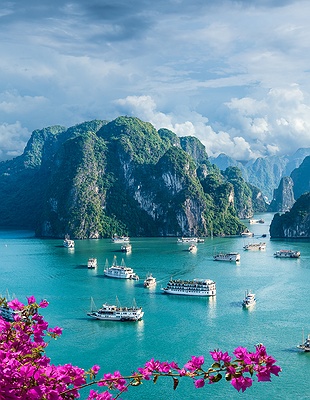
Traveling to a new country can be an exciting adventure, especially for those who embrace the opportunity to explore diverse cultures. For disabled individuals, however, this journey may come with its own set of challenges and considerations. Understanding the visa policies in place is essential for a smooth travel experience. This article will guide you through Vietnam’s visa policies specifically tailored for Indians with disabilities, ensuring your trip is as enriching and rewarding as possible.
Vietnam Visa for Indians with Disabilities
Table of Contents
Understanding Vietnam Visa Policies for Indian Travelers with Disabilities
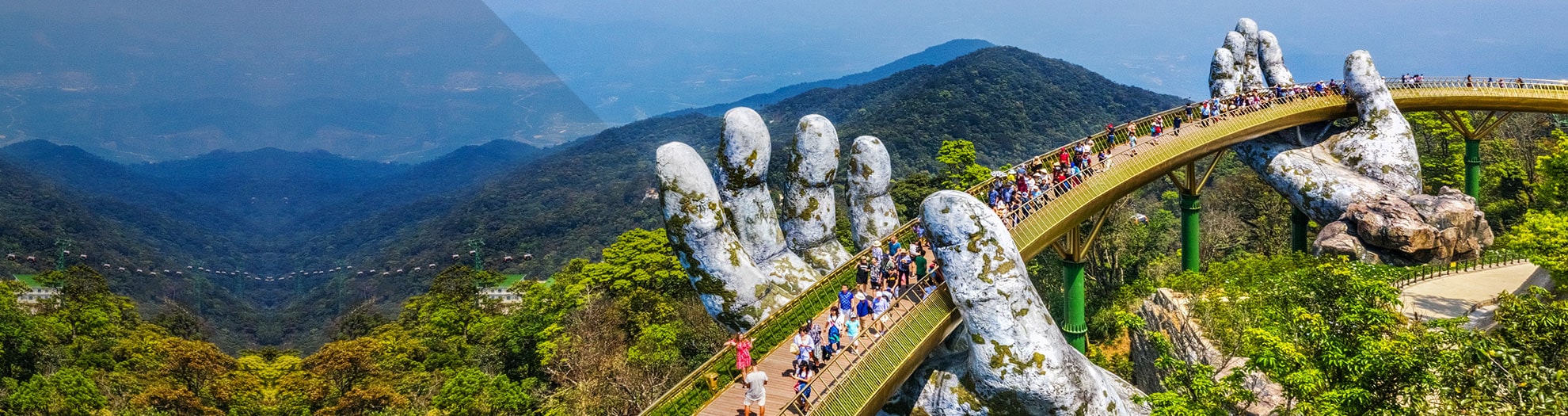
When planning a trip to Vietnam, it’s essential for Indian travelers with disabilities to have a firm grasp of the country’s visa requirements and regulations. Not only do these regulations determine your eligibility for entry, but they also influence your overall travel experience within the country.
Overview of general visa requirements for Indian nationals
Indian nationals traveling to Vietnam must apply for a visa unless they fall under specific exemptions. The standard process typically involves:
- Visa Application: Indian travelers need to submit a visa application form either online or at a Vietnamese embassy. This form requires personal details, travel itineraries, and purpose of visit.
- Documentation: Essential documentation includes a passport with at least six months validity from the date of entry, passport-sized photographs, and proof of accommodation in Vietnam.
- Visa Fees: A non-refundable processing fee must be paid during the application process. The fee structure varies based on the type of visa and processing speed.
Disabled travelers should ensure that their documents are complete and accurate to avoid any unnecessary delays in their application process.
Special considerations and policies for travelers with disabilities
Understanding the unique needs of travelers with disabilities is paramount for providing equitable services. Vietnam’s visa policy recognizes these needs through various measures:
- Modified Procedures: In certain instances, there may be alternative processes available to facilitate easier access to visas for those with disabilities. It’s advisable to inquire directly with the consulate about any such provisions.
- Documentation Flexibility: Some embassies may allow for flexible documentation depending on the nature of the disability. This consideration could expedite the visa application process.
- Special Assistance Requests: Travelers requiring assistance during their application process can often request support directly from the consulate. This may include help filling out forms or understanding specific requirements.
It’s crucial for disabled travelers to reach out directly to the embassy or consulate well ahead of their intended travel dates for any specific provisions related to their individual circumstances.
Accessibility and support services available at Vietnamese consulates
Vietnamese consulates strive to provide accessible services for all travelers, including those with disabilities.
- Physical Accessibility: Most consulates are designed to accommodate visitors with mobility issues. Features may include ramps, elevators, and designated waiting areas.
- Dedicated Personnel: Many locations have staff trained to assist individuals with disabilities. These staff members can guide applicants through the process, address questions, and clarify document requirements.
- Communication Support: For travelers with hearing impairments, sign language interpreters or written communication methods may be available upon request.
Utilizing these accessibility options can significantly enhance the visa application experience for disabled travelers.
Types of Visas and Eligibility Criteria for Disabled Indian Travelers
Choosing the right type of visa is key for any traveler, but it holds particular significance for those with disabilities. Each visa type comes with its own eligibility criteria and accommodations.
Tourist visas and their accommodation options for persons with disabilities
Tourist visas are the most common way for Indian travelers to enter Vietnam. These visas permit stays for leisure purposes and often allow for some flexibility regarding duration.
- Length of Stay: Tourist visas typically offer either a single-entry or multiple-entry option, allowing stays ranging from 15 days to 30 days, depending on the type issued.
- Accommodations: It is crucial for travelers with disabilities to consider accessible lodging options. Many hotels and hostels in urban areas like Ho Chi Minh City and Hanoi have begun catering to guests with special needs by offering rooms equipped with features such as wheelchair access, grab bars, and roll-in showers.
- Local Tours: Several local tour operators specialize in creating accessible experiences for tourists with disabilities, including guided tours that take into account physical limitations.
A thorough assessment of available resources and accommodations can greatly enhance the travel experience.
Business and work visas with special provisions or assistance
Business visas are essential for Indian nationals planning to conduct business activities in Vietnam.
- Application Requirements: Similar to tourist visas, business travelers must provide documentation detailing their company affiliation and purpose of travel.
- Special Provisions: Some Vietnamese companies may have policies in place to accommodate visiting employees with disabilities. This might include workplace modifications or transportation assistance.
- Networking Opportunities: Engaging with local businesses may offer insights and connections to accessible services, aiding not just the current visit but future opportunities.
Understanding the nuances of business visas can set the foundation for successful professional engagements.
Visa exemptions and special entry schemes for disabled travelers
While most travelers require a visa, certain categories may qualify for exemptions or simplified entry procedures.
- Exemption Categories: While specific exemptions primarily apply to diplomatic and official passport holders, travelers with disabilities may inquire about any existing programs aimed at facilitating entry.
- Contacting Authorities: Direct communication with the Vietnamese embassy can clarify whether any special entry schemes exist for disabled travelers, along with any necessary documentation required.
- Community Support: Connecting with organizations that advocate for differently-abled travelers may provide additional insights into potential exemptions and best practices for navigating the visa process.
Being informed about exemption possibilities can streamline entry into Vietnam.
Application Process and Documentation for Indians with Disabilities
The application process for a visa can be intricate, especially for those with disabilities. It’s vital to approach this phase with a comprehensive understanding of the required documentation and procedures.
Required documents and medical certifications for travelers with disabilities
For travelers with disabilities, specific documentation may be necessary in addition to the standard visa requirements.
- Medical Certification: Depending on the nature of the disability, some embassies may require a medical certificate outlining the traveler’s condition. This certification can facilitate discussions regarding accessibility and support services while in Vietnam.
- Personal Identification: Alongside the passport, travelers should carry identification confirming their disability status if applicable. This documentation can prove beneficial in case of emergencies.
- Proof of Financial Means: Similar to other visa applications, individuals may need to demonstrate financial capability to cover their expenses during the stay. This can include bank statements or sponsor letters.
Ensuring these documents are prepared and accurate can foster a more efficient application process.
How to apply online or through embassies, including accessible application options
Applying for a visa has become increasingly convenient with the advent of online platforms, though disabled travelers should ensure the process accommodates their needs effectively.
- Online Applications: Several Vietnamese immigration websites offer online visa applications. These portals often provide step-by-step guides, which can simplify the process.
- Accessible Platforms: Ensure that the website is accessible. If unable to navigate the online system, consider enlisting the help of a friend or family member, or contacting the embassy for alternative submission methods.
- Embassy Visits: If preferred, applying directly at a Vietnamese embassy allows for in-person assistance. This option is particularly advantageous for individuals needing clarification on any aspect of the application.
Utilizing the method that best suits your needs can alleviate some of the stress associated with the application process.
Tips for ensuring smooth processing and addressing potential challenges
Smooth visa processing can sometimes be hindered by unexpected challenges. Here are tips to mitigate issues:
- Advance Preparation: Begin your visa application process well in advance to allow time for addressing any unforeseen complications.
- Follow Up: After submitting your application, maintain communication with the embassy or consulate to monitor your application’s status.
- Embassy Contacts: Establish a direct line of communication with staff at the consulate. They can provide real-time updates or advice to ensure your application meets all requirements.
Preparation and proactive engagement can significantly improve the likelihood of a successful visa application.
Support and Services for Disabled Visitors in Vietnam
Once the visa is obtained, the next step is understanding the support services and facilities available in Vietnam for disabled travelers.
Accessibility features at Vietnamese immigration centers and airports
Vietnam is making strides toward improving accessibility across various public sectors, including immigration and airports.
- Designated Areas: At major airports like Tan Son Nhat International Airport in Ho Chi Minh City, designated areas for travelers with disabilities ensure easy navigation from arrival to departure.
- Wheelchair Access: Most major immigration centers are equipped with ramps and accessible restrooms, making it easier for individuals with mobility challenges to move around without difficulty.
- Information Desks: Information desks staffed with trained professionals can assist travelers with disabilities in finding appropriate services and answering queries.
These efforts significantly contribute to fostering an inclusive environment for all travelers.
Assistance services provided by Vietnamese authorities for travelers with disabilities
Vietnamese authorities are increasingly aware of the need for assistance services to cater to disabled visitors.
- Airport Services: Assistance at airports may include wheelchair provision, priority boarding, and escort services through customs and baggage claim.
- Emergency Support: Travelers can contact local authorities for emergency assistance. Awareness of local emergency numbers is crucial for those with disabilities.
- Cultural Sensitivity Training: Many service providers in the tourism sector undergo training to better serve individuals with disabilities, contributing to a more welcoming atmosphere.
Encouraging open dialogue about the need for support can enhance the travel experience.
Resources for accessible travel within Vietnam, including transportation and accommodations
Navigating Vietnam post-arrival requires careful planning, especially when it comes to transportation and accommodation.
- Transport Options: Public transport systems in major cities may offer accessible options. However, it’s advisable to pre-book taxis or services that specialize in accommodating individuals with disabilities.
- Accessible Accommodations: Research hotels offering accessibility features. Websites like TripAdvisor and Booking.com often include reviews that highlight such amenities.
- Local Networks: Connecting with local organizations or forums focusing on accessible travel can provide invaluable resources and recommendations tailored to your needs.
Taking the time to explore these resources before your journey can lead to a more fulfilling travel experience.
Conclusion
Navigating the landscape of Vietnam visa policies for Indians with disabilities requires awareness, preparedness, and clear communication. From understanding the necessary documentation to identifying accessible resources within the country, every step contributes to a smoother travel experience. By being proactive in planning and utilizing available support services, disabled travelers can immerse themselves in the vibrant culture and breathtaking landscapes of Vietnam, transforming their dream trip into a reality.