


Vietnam’s Social Insurance Law (Luật Bảo hiểm xã hội – BHXH) provides specific guidelines and benefits regarding early retirement, balancing the needs of laborers in various working conditions.
Table of Contents
The Standard Reduction for Early Retirement

Under the BHXH, employees who retire early typically face a reduction in their pension benefits. For each year an individual retires before the stipulated retirement age, their pension amount is reduced by 2%. This provision is designed to ensure that those who choose to retire earlier than the standard age receive less in benefits, reflecting their shorter contribution period.
Upcoming Changes to Retirement Age
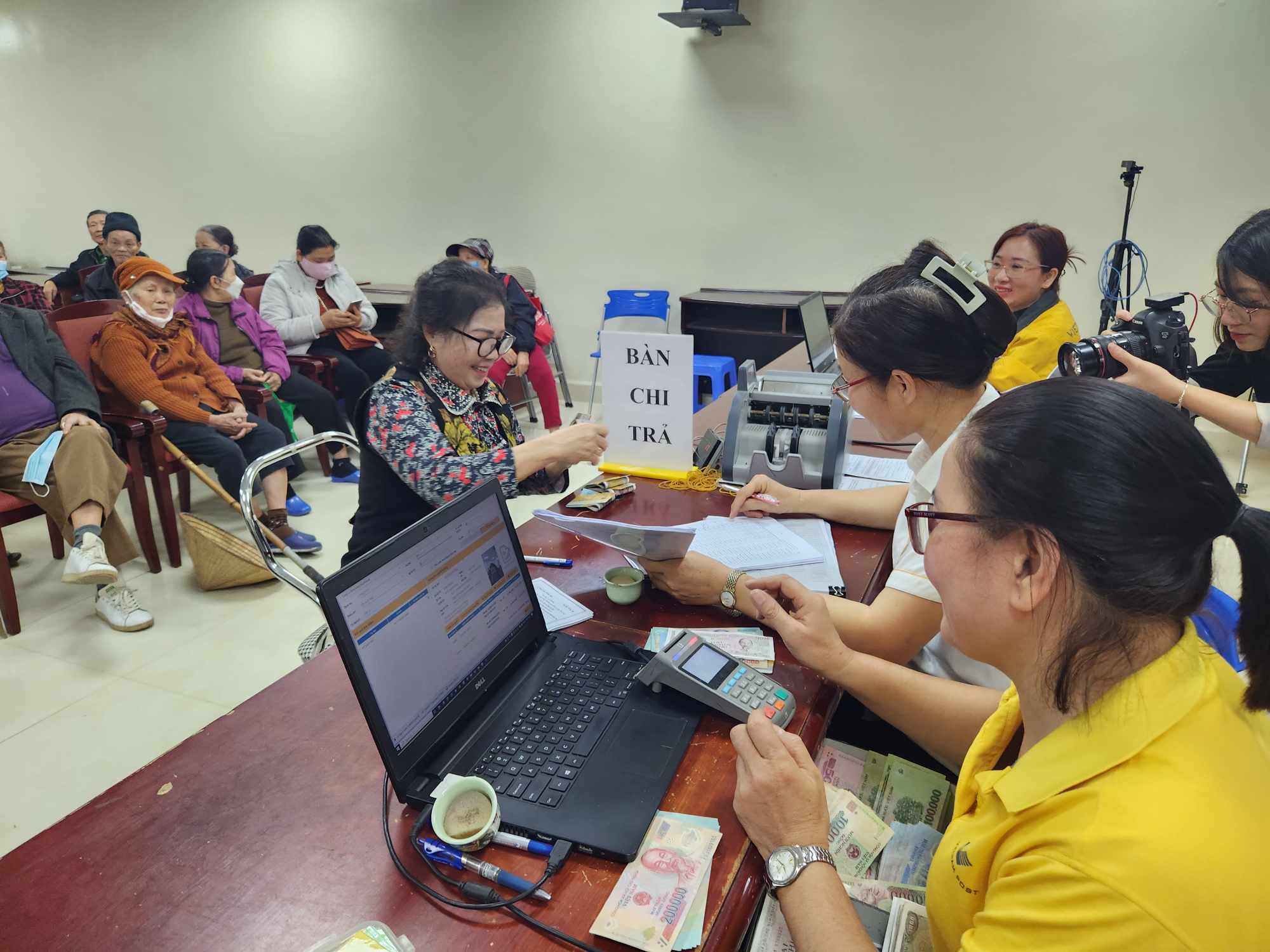
As part of the ongoing adjustments to retirement age regulations, significant changes are anticipated in 2026. Male workers will reach the standard retirement age of 61 years and 6 months, while female workers will achieve this milestone at 57 years. These adjustments are part of a broader strategy to align retirement ages with the demographic and economic shifts within the country.
Special Circumstances Allowing Early Retirement Without Deductions

While the general rule applies to most workers, there are special provisions for certain categories of workers who can retire early without facing the usual 2% reduction penalty. According to Article 64 of the BHXH, the government has identified seven specific cases where individuals are entitled to this benefit, aiming to protect those who have contributed significantly despite challenging conditions.
The circumstances include:
- Workers in hazardous jobs: Individuals performing particularly arduous, toxic, or dangerous tasks as defined by the Ministry of Labor, Invalids and Social Affairs.
- Workers in challenging economic zones: Those engaged in labor in regions with particularly tough economic and social conditions.
- Longstanding contributions in difficult areas: Workers who have spent at least 15 years in areas with adverse economic conditions.
- HIV/AIDS infections from occupational hazards: Employees who contracted HIV/AIDS due to workplace accidents.
- Severely disabled workers: Individuals with significant disabilities (defined as a 81% or more reduction in labor capacity).
- Local government workers: Individuals engaged in compulsory or non-compulsory work at local levels (communes, wards, towns) who meet the social insurance contribution requirements.
- Job loss due to structural changes: Workers with at least 20 years of social insurance contributions who lose their jobs due to structural changes, technological advancements, or economic reasons.
For these seven groups, pensions will be calculated based on actual social insurance contributions without the reduction penalty for early retirement.
Pension Calculation Methods
For those retiring under normal conditions (having reached retirement age), the pension is calculated differently based on gender and contribution duration.
- For female workers: The initial benefit is set at 45% of the average salary upon which social insurance contributions are based for the first 15 years. An additional 2% is added for each year beyond the initial 15 years, capping at 75%.
- For male workers: The starting benefit is similarly 45% for 20 years of contributions. For those with contributions ranging from 15 to less than 20 years, the initial benefit is set at 40%, with an additional 2% added for each year thereafter, also capping at 75%.
Importance of Understanding Retirement Regulations
Being well-versed in these regulations is crucial for laborers and their families to secure their pension rights effectively. Awareness of these specific provisions enables individuals to strategize their retirement plans better and ensure they benefit from the protections offered under the law.
As Vietnam continues to refine its social insurance policies, understanding these critical aspects is essential for laborers navigating their futures.


