


Bắc Ninh Province, a region steeped in history and cultural richness, has emerged as a significant area formed by the merging of the former provinces of Bắc Giang and Bắc Ninh. This vibrant locale, which features 99 administrative units, has long been a cradle of Vietnamese civilization, echoing tales from its past while showcasing its unique ecological landscapes.
Table of Contents
A Historical Landscape

Situated near the northern outskirts of Thăng Long (Hanoi) and the western slopes of Yên Tử, Bắc Ninh has historically fallen within the boundaries known as Kinh Bắc. Despite alterations in its territorial makeup over time, the essence of Kinh Bắc remains intact, serving as a testament to a rich historical and cultural legacy. This region has fostered notable figures, including the founding Lý dynasty and historical events like the Battle of Như Nguyệt at Sông Cầu. It is also famous for its Quan họ singing, and renowned cultural sites like the Bút Tháp and Bổ Đà pagodas.
Throughout the early twentieth century, the province attracted numerous authors and poets who penned travelogues that vividly captured the region’s essence. Notable figures such as Tùng Vân Nguyễn Đôn Phục, Trần Huy Bá, and Nguyễn Đình Miên brought to life the unique ecological beauty, historical sites, and cultural practices of Bắc Ninh through their writings.
Journey into the Past

In a travelogue titled “Lời cảm cựu về mấy ngày chơi Bắc Ninh,” Tùng Vân immortalizes the rapid journey from Hanoi to Bắc Ninh by train, asserting that one could reach the province in mere hours. His reflections on the landscape envision a unified cultural and geographical tapestry linking not just Bắc Ninh, but also parts of Bắc Giang and Phúc An. He recounts the flows of rivers such as Thiên Đức, Nguyệt Đức, and Thương Giang, enriching the narrative with mentions of mythical landscapes and historical legends tied to Đổng Thiên Vương.
Tùng Vân’s nostalgic recollections of his childhood play, alongside detailed observations of picturesque natural scenery, contributed to a broader understanding of Bắc Ninh’s cultural context. He vividly describes his childhood experiences around the Pháp Vân pagoda, evoking memories of lush forests and local delicacies like mài tubers and lộc hươu leaves that were staples of his youth.
Cultural Gems of Bắc Ninh
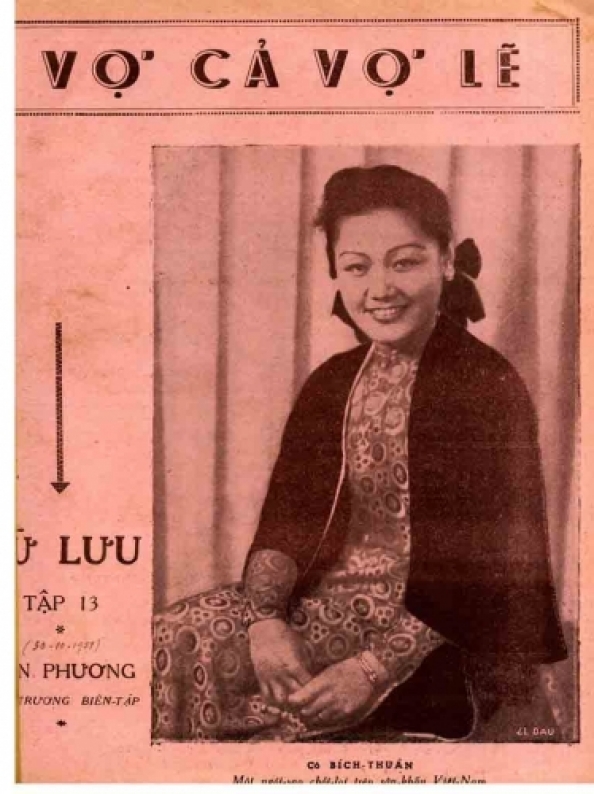
The travel writings from the early half of the twentieth century reflect a keen interest in the intricate tapestry of folk culture and historical sites. Authors such as Nguyễn Trọng Thuật and Vũ Huy Chân detailed their visits to significant locales including the Bút Tháp pagoda and the tomb of Sĩ Vương. Their written narratives provided deep insights into architectural styles, religious practices, and the artistic embellishments of these cultural landmarks.
Additionally, Đỗ Đình Nghiêm highlighted the beauty and significance of Bút Tháp in his piece “Sự tích chùa Bút Tháp,” describing its picturesque scenery and architectural significance. He meticulously outlines the pagoda’s features, including the stunning statues, sacred relics, and the surrounding natural environment, enhancing visitors’ understanding of its historical and spiritual significance.
Insights from Historical Travelogues
As readers delve into these travel accounts, they discover various perspectives on the socio-cultural dynamics of Bắc Ninh during this transformative period. The narratives, with their rich descriptions and evocative imagery, serve as valuable resources for historical analysis, cultural studies, and tourism development.
To further explore the heritage of Bắc Ninh, authors often focused on the enchanting art of singing Quan họ, a traditional folk music form that embodies the region’s cultural heart. Writers like Văn Tứ cherished the festival atmosphere during events like Hội Lim, capturing the camaraderie and joy expressed through music and dance. His portrayal of girls performing acrobatic feats on swings at the festival creates a lively picture of community engagement and local traditions, illustrating the enduring charm of Quan họ.
Artistic Expressions of the North
Bắc Ninh’s central highlands have also inspired writers such as Nhật Nham and Nguyễn Đình Miên to immortalize the unique natural beauty that characterizes the region. Nhật Nham’s reflections in “Tại sao lại gọi là núi Cai Kinh” depict the dazzling landscapes of the Cai Kinh mountain range, comparing its allure to that of Switzerland with vivid descriptions of mountains, lush forests, and the melodious sounds of flowing streams.
As travel accounts from this era are revisited, they stand as a living museum of artistic expression, giving voice to the traditions of Bắc Ninh’s people. Each work contributes to a deeper appreciation of local customs, everyday life, and the historical trajectories that have shaped the region.
Ultimately, the travelogues from Bắc Ninh provide an invaluable tapestry of its cultural heritage, celebrating the traditions and landscapes that continue to resonate through generations. The narratives serve not just as records of the past, but as bridges connecting present-day society with its rich historical and cultural roots.


